
Last updated October 30, 2026
 Home additions & ADU
 Kitchen remodeling
 Bathroom remodeling
 Roofing
 Windows & doors
 Driveway & pavers
 Fence
Free written scope consultation - allowances, timeline, and change-order rules on paper before a single trade is scheduled
Construction Emergency Preparedness Guide for Yorba Linda Homes
When the first Santa Ana wind event of the season rips through Yorba Linda, most homeowners discover their roof’s weak points the hard way. The gusts that funnel through Santa Ana Canyon and slam into the hillsides off Fairmont Boulevard don’t just scatter patio furniture. They strip flashing, lift shingle edges, and turn loose fence boards into projectiles. This guide walks through how to prep your home before the hazard arrives, document what you have now, and cut your response time from days to hours when damage happens. If you own a home in Yorba Linda, the question isn’t whether wind, fire smoke, saturated soil, or seismic movement will test your structure. It’s whether you’ll have a plan when it does.
Styles & brands we work with
- Kitchen remodeling
- Bathroom remodeling
- Home additions & ADU
- Roofing
- Windows & doors
- Driveway & pavers
- Fence
Quick Answer
Construction emergency preparedness for a Yorba Linda home means three things: a documented baseline of your roof, windows, drainage, and retaining walls before damage occurs; a written response protocol for the four hazard patterns this city actually faces (Santa Ana winds, wildfire ember exposure, flash flooding on clay soil, and earthquake movement); and a pre-established relationship with a licensed general contractor who can produce a repair estimate within 24 to 48 hours, not two weeks after the storm. The homeowners who recover fastest are not the ones with the biggest emergency kit. They’re the ones who documented their home’s condition and know exactly who to call.
Table of Contents
- The Yorba Linda Hazard Stack: What Actually Damages Homes Here
- Pre-Emergency Documentation: The Files That Save You Weeks
- Roof Breach During Rain: The First 90 Minutes
- Santa Ana Wind Damage: Fence Collapse, Flashing, and Debris Impact
- Wildfire Smoke and Ember Exposure: Protecting the Building Envelope
- Retaining Wall Movement After Saturated Soil: Clay-Heavy Hillside Concerns
- Earthquake Response: Structural Checks Yorba Linda Homeowners Skip
- Evaluating Emergency Contractor Claims: Storm Chasers vs. Established GCs
- Common Mistakes to Avoid
- When to Call a Professional
- Frequently Asked Questions
- The Bottom Line
The Yorba Linda Hazard Stack: What Actually Damages Homes Here
Yorba Linda sits in a unique position among Orange County cities. The northern edge of the city climbs into the Chino Hills, the eastern boundary follows the Santa Ana River, and the whole area sits on a foundation of steep slopes and expansive clay soils. This geography produces four distinct construction damage patterns that a general contractor working in Yorba Linda sees repeatedly. Knowing which pattern matches your home’s location and construction type is the difference between preventing damage and repairing it.
Santa Ana wind events hit hardest in the fall and early winter months. Gusts frequently exceed 50 mph in the canyons and along ridgelines, and they attack the building envelope in predictable ways: ridge cap loosening, composition shingle tab lifting, fascia and eave metal fatigue, and fence line failure. Homes in the Bryant Ranch and East Lake Village areas, with their mix of 1970s through 1990s construction, often show wind-driven rain intrusion at older window perimeters before any roof failure occurs.
Wildfire ember exposure is not the same as direct flame contact. Most Yorba Linda homes that suffer fire-adjacent damage never see active flame. Embers travel a mile or more ahead of the fire front and settle into roof valleys, gutters loaded with dry debris, unscreened attic vents, and gaps around garage doors. The 2008 Freeway Complex Fire and the 2017 Canyon Fire 2 both demonstrated this pattern: homes with clean gutters and ember-resistant vent screens survived; homes with accumulated leaf litter at roof-to-wall intersections did not.
Flash flooding on hardpan and clay creates a different failure mode. Yorba Linda’s soils are largely clay-dominated, which means they absorb water slowly and swell when saturated. A winter of compressed rainfall, like the 2023 storm sequence, pushes water across saturated ground rather than into it. Surface water then finds every low spot in a foundation, every poorly graded planter, and every retaining wall without an adequate drainage blanket. The damage appears as slab-edge heaving, stucco cracking at reentrant corners, and retaining wall rotation.
Seismic movement is the hazard homeowners think about least but should understand most. Yorba Linda sits near the Whittier Fault zone and the larger Puente Hills blind thrust system. The 2008 Chino Hills earthquake, a magnitude 5.4 event centered a few miles north of the city, produced structural cracks in dozens of Yorba Linda homes that went unreported for months. Post-earthquake damage is often slow-moving: a hairline crack in a shear wall opens slightly with each aftershock, and by the time a homeowner calls a contractor, the repair scope has doubled.
These four patterns shape the rest of this guide. Each one demands a different kind of pre-emergency documentation and a different immediate response protocol. In our experience as a General Contractor in Yorba Linda, the homeowners who handle these events best are the ones who treated preparedness as a construction issue, not a supplies issue.
Pre-Emergency Documentation: The Files That Save You Weeks
Here is the counterintuitive truth about construction emergencies: the repair itself is rarely the slow part. The slow part is the documentation gap. When an insurance adjuster asks for proof of your roof’s pre-storm condition, or a contractor asks what window series you have, or a material supplier asks which shingle color was installed in 2006, most homeowners have no answer. That gap adds days, sometimes weeks, to the estimate-to-repair timeline. Closing it before an emergency costs you one afternoon.
Create a digital folder on your phone and a backup on a cloud drive. Store these items in it:
- Roof condition photos: Taken from the ground at each cardinal direction, plus close shots of flashings, valleys, ridge lines, and pipe boots. Date-stamp them. Retake them every fall before Santa Ana season.
- Roofing material specs: The shingle manufacturer, product line, and color name. If a section needs patching, matching the existing roof prevents a full reroof and an insurance dispute. GAF, CertainTeed, and Owens Corning products all have specific color codes that are printed on the original invoice or on starter-course bundles if any remain.
- Window and door manufacturer list: Brand, series, glazing type, and rough opening dimensions for each unit. This is especially important in Yorba Linda because so many homes have mixed window inventories from multiple remodels over the years. Knowing whether your slider is a PGT or a Therma-Tru determines whether replacement glass is available in three days or three weeks.
- Utility shutoff locations: Photos showing exactly where the gas meter shutoff valve is, where the main water shutoff is, and where the electrical panel main breaker is. Label each photo. In an emergency, you will not want to be reading a utility company diagram.
- Retaining wall and drainage photos: Walk the property in dry weather and photograph each retaining wall, area drain, channel drain, and downspout discharge point. When a wall moves after a storm, having a “before” photo proves the movement happened during that event, which matters for coverage.
- Hardscape and fence condition: Photos of pavers, deck surfaces, and fence lines. Belgard, Unilock, Techo-Bloc, and Cambridge pavers all have specific replacement units; a photo that shows the pattern and color helps a contractor source the right match.
This documentation also matters for Home Remodeling in Yorba Linda projects you’ve completed. If you have a remodeled kitchen with stone surfaces from Silestone or Caesarstone, keep the fabrication specs. If you replaced plumbing fixtures with Kohler or Moen pieces, keep the model numbers. Post-emergency repair estimates move faster when a contractor can reference exact existing materials rather than scheduling a site visit just to identify what’s installed.
Roof Breach During Rain: The First 90 Minutes
A roof breach during a heavy rain event is the most time-sensitive construction emergency a Yorba Linda homeowner will face. The difference between a $2,500 repair and a $35,000 interior remediation is almost always determined by what happens in the first hour and a half. Here is the protocol we recommend, in order:
- Contain the water from below. Place a bucket or trash can under the active leak. If water is traveling along a beam or ceiling joist, poke a small drainage hole at the lowest point of the ceiling bulge with a screwdriver. This releases the water in one controlled location rather than letting it spread across a wider drywall area and collapse the ceiling.
- Move furniture and electronics out of the path. Wood case goods swell, leather stains, and electronics short. Move things first, photograph second.
- Photograph the active leak, the ceiling staining, and any visible roof damage from inside the attic if safe to access. Do not walk on a wet roof. Do not open a steep attic hatch onto a wet floor while balancing on a ladder. The goal is documentation, not heroics.
- Tarp the roof only if it can be done safely from a ladder or from inside the attic. A polyethylene tarp secured over the damaged area from the exterior can stop active water intrusion, but walking on a wet composition shingle roof at night is how emergency room visits happen. If the roof pitch is steeper than 4:12 or conditions are windy, skip the tarp and focus on interior containment.
- Call your contractor and your insurance company, in that order. The contractor can schedule an emergency mitigation crew and provide a preliminary assessment that helps frame the insurance claim accurately. The insurance company assigns an adjuster and a claim number. Having the contractor’s documentation before the adjuster arrives prevents lowball estimates.
In our experience, Yorba Linda homes with tile roofs present a specific pattern during heavy rain. The tile itself rarely fails. What fails is the underlayment beneath the tile, and by the time water shows up inside the home, the underlayment has been compromised for longer than the homeowner realizes. This is why the pre-emergency photo library matters: it establishes that the tile was intact before the storm, which shifts the conversation toward the roofing system rather than just obvious surface damage.
Santa Ana Wind Damage: Fence Collapse, Flashing, and Debris Impact
Santa Ana wind events in Yorba Linda are not like hurricanes. They’re dry, sustained, directional, and they arrive with almost no warning. The National Weather Service typically issues high wind warnings 12 to 24 hours ahead of an event, but the actual gusts in the canyons north of Bastanchury Road can be 15 to 20 mph higher than forecast. The damage pattern that results is specific: lifted shingle tabs and ridge cap, peeled flashing at roof-wall intersections, torn section of fascia board, and fence panel collapse along the windward property line.
The fence collapse issue deserves particular attention because it’s the most common wind damage call we get. Wood privacy fences in Yorba Linda are typically built on 4×4 posts set in concrete at 6 to 8 foot spacings. When sustained wind loads a 6-foot-tall fence panel, the wind pressure acts like a lever on the post. Posts that were set 18 inches deep instead of 24 or 30 inches begin to rotate. The failure almost always happens at the post base, and it usually takes the entire run with it because each panel pulls on its neighbor.
After a wind event, walk your fence line and check for these signs before you call a contractor:
- Posts that have pulled away from the concrete footing, leaving a visible gap at grade level
- Horizontal rails that have split at fastener points
- Panels that have shifted laterally, creating uneven gaps at the top or bottom
- Gate posts that now lean inward, causing the gate to drag or bind
Wind-damaged fencing is a legitimate insurance claim in many cases, but documentation matters. Photograph the failed section from multiple angles before anyone moves the debris. Photograph the base of each failed post. If the fence falls onto a neighbor’s property or a shared property line fence comes down, photograph the original fence line location before removing anything. Disputes over who owns what and where the fence stood are common after wind events, and photos settle them.
Flashing damage from wind is less visible but more expensive if ignored. Walk the perimeter of your house after a significant Santa Ana event and look up at the roof line. Look for lifted metal at dormer intersections, displaced Z-flashing above window heads, and any area where you can see daylight under a flashing lap. These small openings become water entry points during the next rain event. In Yorba Linda, where the rainy season follows the Santa Ana season by only a few weeks, that transition window is where we see the most avoidable interior damage.
Wildfire Smoke and Ember Exposure: Protecting the Building Envelope
Yorba Linda homeowners understand wildfire risk in a way that’s shaped by experience. The community has lived through evacuation warnings and watched the hillsides along the 91 corridor burn more than once. But most homes that are damaged during a wildfire event are not damaged by flame. They’re damaged by embers and smoke infiltrating the building envelope. The construction details that determine whether embers find a foothold are specific and often overlooked.
Roof valleys and roof-to-wall intersections are the primary ember collection points. Embers settle into the angle where a roof slope meets a vertical wall and smolder there. If the flashing at that intersection has gaps, or if there’s accumulated pine needle and leaf litter in the valley, the smolder has fuel. Cleaning roof valleys and gutters before fire season is not a cosmetic task. It’s the single most effective ember defense a homeowner has.
Attic vents are the second major vulnerability. Conventional attic vents use a mesh screen with quarter-inch openings. Embers carried by fire-driven wind are typically smaller than that, and they pass right through. Ember-resistant vent screens, which use a finer mesh or a baffle design, are a direct replacement for standard vents and cost far less than the damage they prevent. Homes built before the current wildland-urban interface code requirements in Yorba Linda often have the older, larger mesh.
The garage door is a weak point most homeowners never consider. During a wind-driven ember event, the garage door faces the fire front in many Yorba Linda homes. Embers blow under the door’s bottom seal, into the side gaps, and through the top weatherstrip. Installing a new bottom seal, checking that the door closes fully and evenly, and keeping the garage interior free of stored cardboard and solvents reduces the risk significantly.
Smoke damage is a separate issue that requires different treatment. Smoke particles are fine enough to penetrate the building envelope even when no ember enters. They settle into carpet, upholstery, HVAC filters, and paint. After a smoke event, the first step is a thorough evaluation: check attic insulation for smoke odor, inspect HVAC filters, and document any visible soot staining on walls or ceilings. Professional smoke remediation is often an insurance-covered item, but the documentation needs to happen before cleaning begins.
Retaining Wall Movement After Saturated Soil: Clay-Heavy Hillside Concerns
Yorba Linda’s hillsides are built on expansive clay soils that behave differently than the sandy loams of coastal Orange County. Clay expands when wet and contracts when dry. A retaining wall that’s been stable for fifteen years can begin to move during a single wet winter because the soil behind the wall has become saturated, expanded, and increased the lateral pressure against the back of the wall. When that pressure exceeds the wall’s design capacity, the wall rotates, cracks, or both.
This is a slow-moving emergency relative to a roof breach, but it’s an emergency nonetheless. A wall that has moved even two inches is now carrying a load it was never designed for, and the next heavy rain can push it further. Here’s what to check on your property after a saturated-soil period:
- Walk each retaining wall and sight down the top edge. Look for any bowing, stepping, or out-of-plane movement. A straightedge or string line will reveal movement that’s invisible to the naked eye.
- Look for new cracks in the wall face, especially diagonal cracks that start at the top corner and run toward the center. These indicate rotational movement.
- Check the ground surface behind the wall. If there’s a visible depression or sag in the soil a few feet back from the wall face, the soil is settling and the wall is likely moving forward.
- Check for water staining or weep hole blockage at the wall base. Weep holes that are clogged with silt trap water behind the wall, which is the leading driver of wall failure in Yorba Linda’s clay soils.
- Look at hardscape above the wall. Pavers that have shifted, a patio that’s developed a low spot, or a concrete slab that’s cracked along the wall line all indicate that wall movement has progressed enough to affect adjacent structures.
If you see any of these signs, take photos from multiple angles, mark the crack locations with dated tape, and call a general contractor with hillside experience. A wall that’s monitored and repaired early may need weep hole clearing, drainage improvement, and maybe a tieback retrofit. A wall that’s ignored until it’s leaning 15 degrees needs full demolition and replacement, and the permit process in Yorba Linda for hillside work adds time you don’t want to spend during an emergency repair window.
Wall drainage is the preventive measure that matters most. If you’re planning any Home Renovation in Yorba Linda that touches your landscaping, hardscaping, or drainage systems, have the existing wall drainage evaluated at the same time. Adding a French drain or improving surface grading behind a wall is dramatically cheaper than replacing the wall itself.
Earthquake Response: Structural Checks Yorba Linda Homeowners Skip
When the ground shakes in Yorba Linda, most homeowners do a visual sweep of the interior and call it done. Cracked drywall? Noted. Toppled bookcase? Noted. What gets skipped is the structural check of the home’s load path. A magnitude 5.0 event centered nearby produces ground acceleration that tests shear walls, anchor bolts, and cripple wall connections in ways that don’t show up as obvious interior damage. The cracks that matter are in the crawl space, not the living room.
Here’s the post-earthquake inspection protocol we recommend for Yorba Linda homeowners, in priority order:
- Check the crawl space. If your home has a raised foundation, go under and look at the cripple walls. These are the short wood-framed walls between the foundation and the floor framing. Look for shear panel that has pulled away from the foundation sill, anchor bolts that have shifted, or diagonal cracking in the plywood.
- Check the garage. The garage is the weak point in most Southern California homes because the large door opening reduces shear wall capacity. Look for separation between the garage walls and the floor slab, cracking at the corners beside the door opening, and any movement of the door frame itself.
- Check exterior stucco at corners and around window and door openings. Horizontal or stair-step cracks at these locations indicate shear movement. Hairline cracks are normal settling; cracks wider than an eighth of an inch, or cracks that appear suddenly after an event, are structural.
- Check chimney alignment. A masonry chimney that’s moved relative to the house is a serious structural issue. Sight along the chimney from the ground and compare it to the roof line. If the chimney is no longer plumb or if there’s a visible gap at the roof flashing, treat it as an emergency.
- Check for gas leaks. After a significant earthquake, walk the exterior gas line from the meter to the house. If you smell gas, shut off the meter (with a wrench kept at the meter location, not hidden in a kitchen drawer) and call the utility company. Do not operate any switches, appliances, or phones inside the home until the leak is resolved.
Structural earthquake damage is often slow-moving and cumulative. A home that survives a 5.0 event with minor shear wall cracking is now more vulnerable to the next event. Document what you find, photograph everything, and have a contractor with structural experience evaluate any crack that’s wider than cosmetic. The cost of a structural engineer’s assessment is trivial compared to the cost of discovering a failed load path during the next earthquake.
Evaluating Emergency Contractor Claims: Storm Chasers vs. Established GCs
Every significant weather event in Southern California brings a wave of out-of-area contractors into the affected communities. You’ll see their signs appear on corners within 48 hours of a Santa Ana wind event or a heavy rain sequence. Some are legitimate. Many are storm chasers: crews that follow severe weather from state to state, sign as many contracts as possible in the immediate aftermath, and are gone before the check clears. Knowing the difference protects you from inferior work, abandoned projects, and insurance claims that go nowhere.
Here’s what a legitimate emergency contractor will do, versus what a storm chaser will do:
- Legitimate contractor: Provides a written, line-item estimate that specifies materials, scope, and timeline. Storm chaser: Gives a verbal price or a one-line estimate with no breakdown.
- Legitimate contractor: Has a physical office address, a California contractor’s license that can be verified online, and a history of projects in the area. Storm chaser: Uses a P.O. box, a generic company name, or a license registered to an out-of-state entity.
- Legitimate contractor: Schedules the work, manages the permit process where required, and communicates through the entire repair. Storm chaser: Wants a deposit up front, works off a one-page contract, and may not pull permits for work that requires them.
- Legitimate contractor: Works with your insurance adjuster and provides documentation the insurer recognizes. Storm chaser: Inflates the estimate to match the insurance payout and then cuts corners on materials and scope.
In Yorba Linda, a licensed general contractor’s value during an emergency goes beyond the repair itself. A local GC knows the city’s permit requirements, has working relationships with local structural engineers and material suppliers, and understands the specific soil and slope conditions that affect how a repair should be built. The Sundance Contractors home approach is built around this: one contract, one point of accountability, and a team that knows what the building department in this city is going to ask for before the plans are even submitted.
Common Mistakes to Avoid
- Waiting to document the house until after the storm. The most important photos are the ones taken before damage occurs. A pre-storm photo library is the single best defense against insurance claim disputes. If you haven’t created one yet, do it this weekend, before the next Santa Ana event.
- Hiring the first contractor who knocks on the door. Storm chasers work the hardest in the first 48 hours after an event, when emotions are high and decision-making is rushed. Verify the license, ask for local references, and require a written estimate before signing anything.
- Skipping the tarp because the rain seems to be letting up. A roof breach doesn’t need heavy rain to cause ongoing damage. Even light drizzle will continue to saturate insulation and drywall, and the mold growth starts within 48 to 72 hours.
- Replacing the fence panels but not the failed posts. If the posts have rotated in their footings, new panels will fail the same way in the next wind event. The repair needs to address the foundation of the fence, not just the visible damage.
- Ignoring hairline cracks after an earthquake because “it looked fine.” Structural damage compounds. A crack that’s open now is a path for water intrusion later, and a wall that’s weakened now is more vulnerable in the next seismic event.
- Assuming insurance will cover everything without documentation. Insurers pay based on what can be proven. Pre-storm photos, material specs, and written contractor assessments are the evidence that turns a denied claim into an approved one.
When to Call a Professional
Some construction emergencies are obvious: water is coming through the ceiling, the fence is lying in the neighbor’s yard, or a retaining wall has visibly shifted. Others are less dramatic but no less serious. If you see diagonal cracking at window corners after an earthquake, call. If your roof flashing is lifted but it hasn’t rained yet, call. If your crawl space smells musty after a heavy rain, call. The earlier a professional evaluates the damage, the smaller the repair scope and the stronger the insurance claim.
Sundance Contractors offers free estimates in Yorba Linda. Call (877) 752-3951 and we’ll walk the property, document what we find, and give you a written line-item scope of work. If the damage is beyond what you need repaired immediately, we’ll tell you that too. The goal is a clear picture, not a hard sell.
Frequently Asked Questions
Emergency roof repair in Yorba Linda typically ranges from $450 to $1,800 for a tarp-and-temporary-patch response, while permanent repairs to flashing, underlayment, or shingles run $2,500 to $8,000 depending on the scope. Tile roof underlayment repairs trend higher because the tile must be removed and reset. Call (877) 752-3951 for an exact quote after we see the damage. Estimates are free.
Contain the water from below, photograph everything from the ground and from inside the attic if safe, and call your contractor before your insurance company. The contractor’s initial assessment will strengthen your claim when the adjuster arrives. Do not walk on a wet or wind-damaged roof.
Yes, in most cases. Fence replacement along a property line and retaining wall rebuilds both require permits in Yorba Linda, and retaining walls over a certain height trigger engineering review. A licensed general contractor will handle the permit process as part of the repair scope.
Sundance Contractors prioritizes existing clients and emergency assessment calls. A typical response is within 24 to 48 hours for an on-site evaluation, depending on the event and call volume. If you have a current project with us or have documented your home with us previously, we can often respond faster because we already know the property.
In California, wind damage is covered under a standard homeowners policy, but earthquake damage requires a separate earthquake policy or endorsement. This is a critical distinction: if an earthquake causes a roof tile to loosen and then wind blows it off, the coverage determination may hinge on documentation showing the sequence of events. Photograph everything before, during, and after.
The pre-storm photo library. Most homeowners have never taken systematic photos of their roof, flashing, drainage, and retaining walls until after damage happens, and by then it’s too late to establish a before-condition baseline. This one afternoon of documentation is worth more than any piece of emergency equipment you can buy. Call (877) 752-3951 to schedule a free property walkthrough and we’ll help you build the file.
The Bottom Line
Construction emergency preparedness in Yorba Linda is not about stockpiling supplies or memorizing a generic checklist. It’s about understanding the specific hazards this city’s geography creates, documenting your home’s condition before those hazards hit, and having a contractor relationship in place before you need one. The homeowners who recover fastest from a Santa Ana wind event, a saturated-soil wall failure, or an earthquake crack are the ones who had a baseline to compare against and a phone number that answers. That preparation costs nothing and pays for itself the first time the wind blows. For more guides & resources on protecting your home, explore our blog. If you haven’t created your pre-emergency file yet, start this week. The Santa Anas will be back.
Written by the team at Sundance Contractors, serving Yorba Linda since 2018.
See the difference
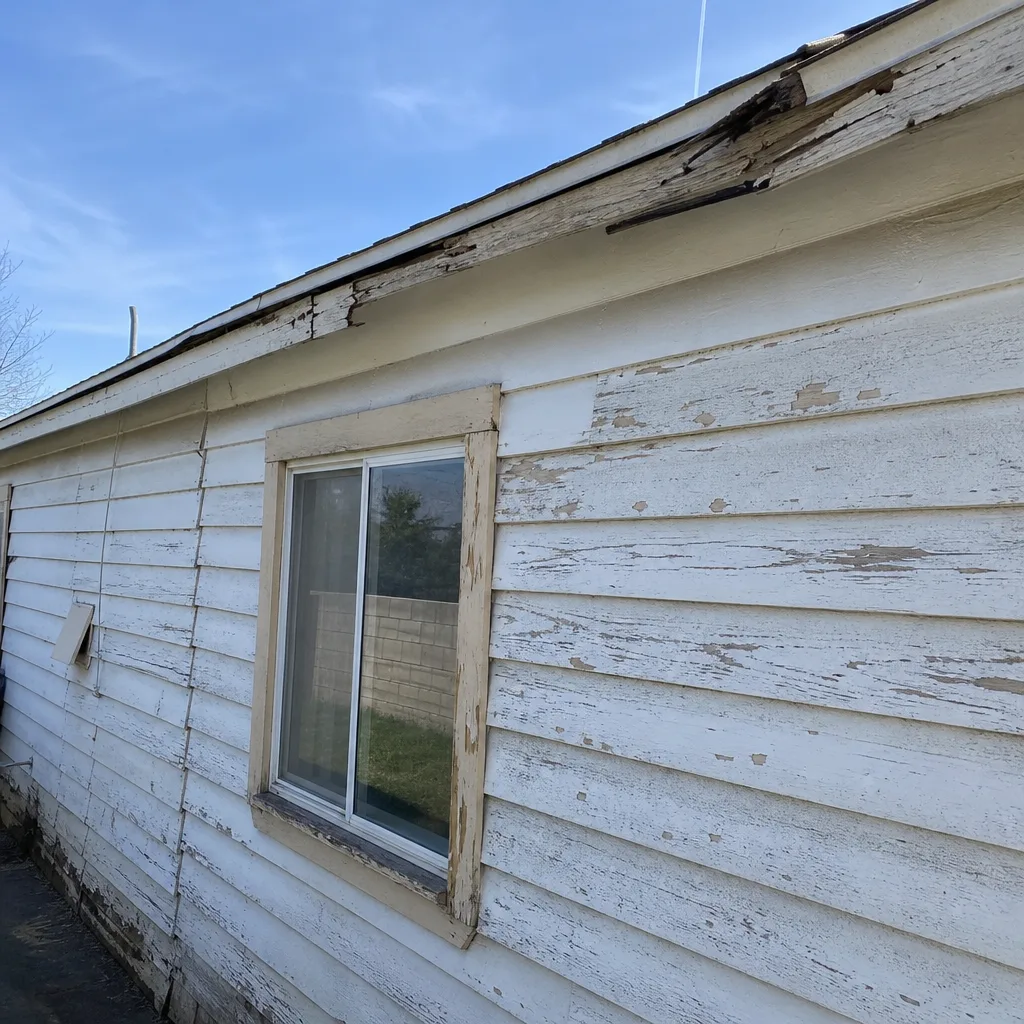 Before
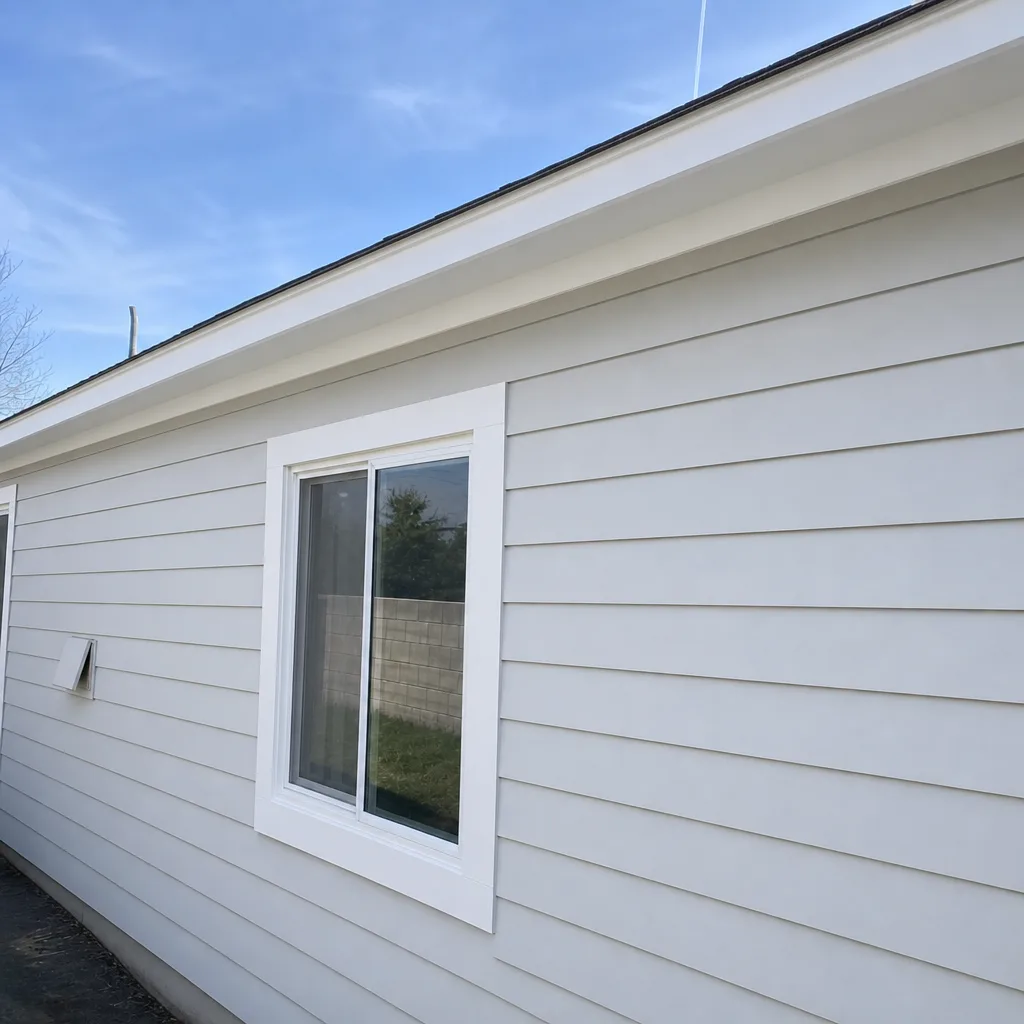 After
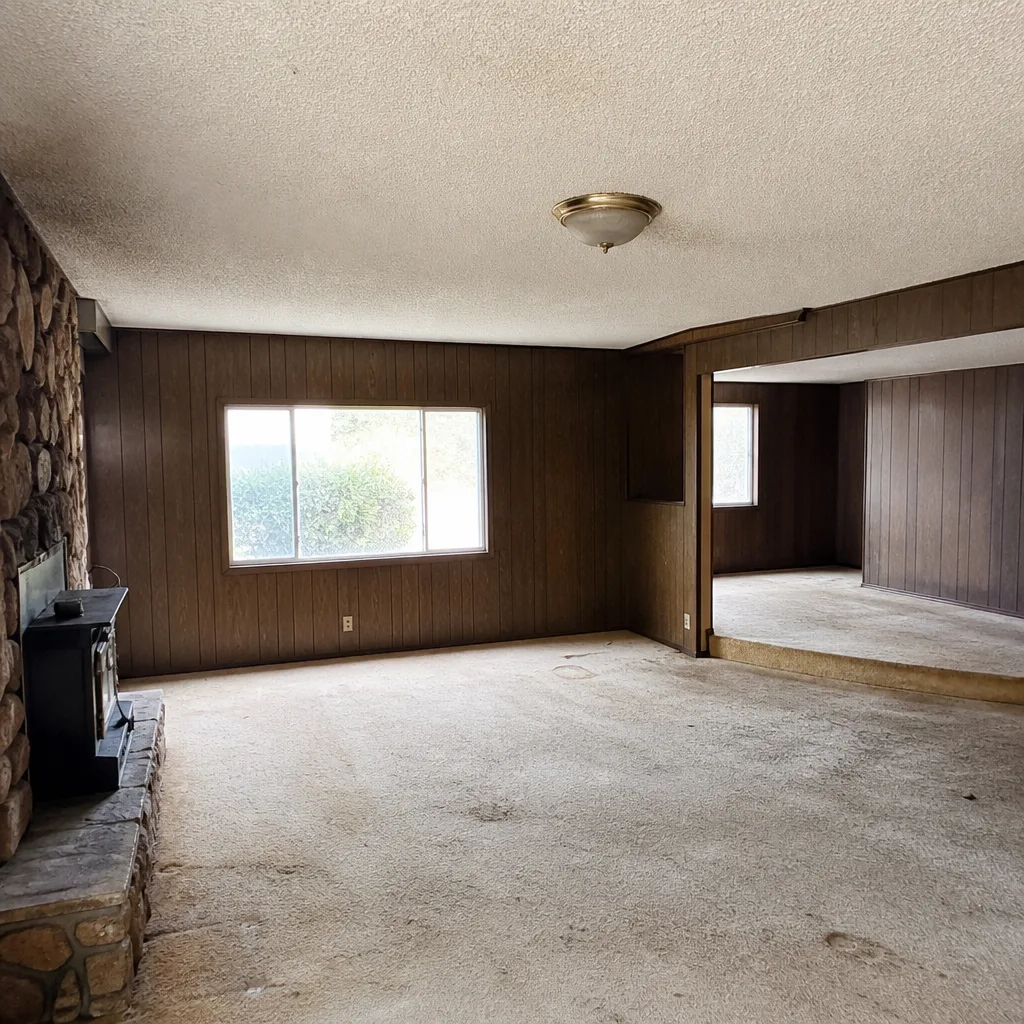 Before
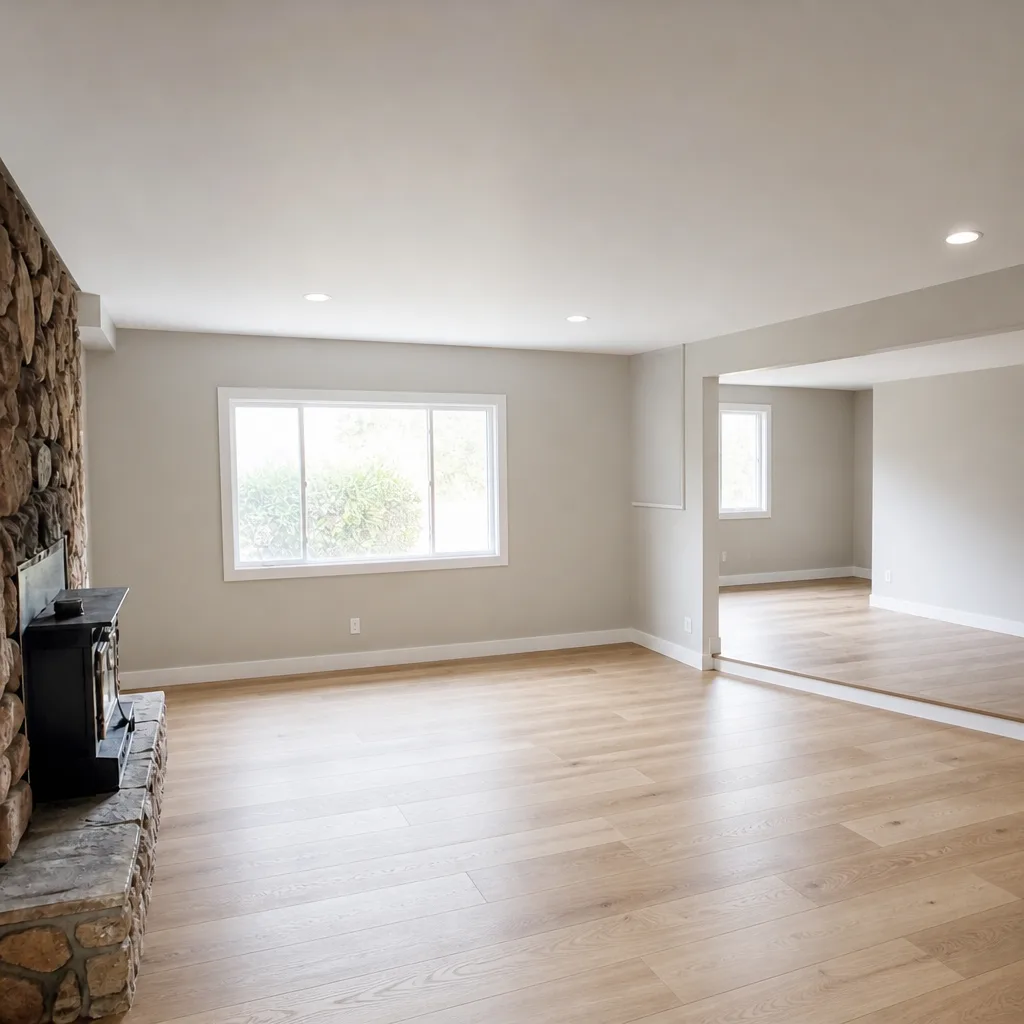 After
 Before
 After