
Last updated October 30, 2026
 Kitchen remodeling
 Bathroom remodeling
 Home additions & ADU
 Roofing
 Windows & doors
 Driveway & pavers
 Fence
Free written scope consultation - allowances, timeline, and change-order rules on paper before a single trade is scheduled
General Contractor Troubleshooting: Common Problems and How to Fix Them
A cracked tile at the kitchen backsplash is almost never a tile problem. Nine times out of ten it’s a substrate or framing issue that the tile installer inherited and didn’t flag. Knowing that distinction is the difference between a productive conversation and a months-long finger-pointing match. This guide walks you through the real causes behind most contractor disputes, how to diagnose which category your problem falls into, and the exact steps to get it resolved without burning relationships or money. We’re writing this from Yorba Linda, where we’ve seen every variation of these issues across hundreds of residential projects.
Quick Answer
Most general contractor problems stem from three root causes: scope gaps between trades, miscommunication at handoff points, and contracts that don’t define who owns a problem when it falls between two vendors. The fix starts with categorizing your issue correctly, documenting it thoroughly with photos and dates, and then having a conversation grounded in facts rather than frustration. If you’re working with a single full-scope contractor, resolution is typically faster because there’s no other vendor to deflect blame to.
Styles & brands we work with
- Kitchen remodeling
- Bathroom remodeling
- Home additions & ADU
- Roofing
- Windows & doors
- Driveway & pavers
- Fence
Table of Contents
- The Three Root Causes of Contractor Disputes
- How to Diagnose Which Problem You Actually Have
- What to Document Before Making a Complaint
- Why a Single-GC Structure Eliminates the ‘Not My Trade’ Problem
- Change Order Confusion: The Silent Budget Killer
- When to Invoke Your Contract’s Dispute Resolution Clause
- Red Flags During a Project That Predict Problems Later
- Yorba Linda-Specific Considerations
The Three Root Causes of Contractor Disputes
Before you pick up the phone and start making demands, understand that most contractor conflicts don’t come from laziness or bad workmanship. They come from structural problems in how projects are organized. Here’s what we mean.
Scope Gaps
A scope gap is the space between what one trade’s contract covers and what another trade’s contract covers. When a roofer finishes their work and a window installer starts theirs, who’s responsible for the flashing where the two meet? If your contract doesn’t specify, the answer is often nobody. Scope gaps are most common on projects that involve multiple specialty contractors working from separate agreements. One contractor frames the wall, another runs the electrical, another installs the drywall. When a gap appears, each one points at the others.
Trade Handoff Failures
Handoff failures happen when critical information doesn’t travel from one trade to the next. The plumber roughs in a drain at a certain height, but nobody tells the cabinet installer. The cabinet installer builds a vanity that doesn’t clear the plumbing. Now you have a cabinet that doesn’t fit and a plumber who’s rightfully confused. These failures are not anyone’s fault in the moment, but they’re expensive to fix. In our experience, handoff failures are the most preventable category of problem because they’re almost always caused by poor communication, not poor skill.
Change Order Confusion
Change orders are the paper trail of modifications to your original contract. When they’re not written down, signed, and priced before work proceeds, they become the single largest source of billing disputes. Homeowners remember the verbal conversation. Contractors remember a different verbal conversation. Without a document, both sides are guessing. Change order confusion is so common that we’ve made it its own section below because the financial stakes are highest here.
How to Diagnose Which Problem You Actually Have
Before you make an accusatory call, spend ten minutes categorizing your issue. The right category determines the right conversation. The wrong category gets you six weeks of finger-pointing and nothing fixed.
- Is the problem visible, or is it functional? A visible crack in drywall is different from a door that doesn’t latch. Visible problems are often symptoms of structural or subsurface issues. Functional problems are usually mechanical or installation errors.
- When did the problem appear? If it showed up within days of project completion, it’s likely an installation or material defect. If it appeared six months later, it could be settling, seasonal movement, or a latent material flaw. Timing matters hugely in diagnosing causation.
- Which trade touched this area last? Walk back through the sequence of work. Whoever was on site most recently in that area is the starting point for your conversation, though not necessarily the responsible party.
- Is the problem covered by your contract’s warranty language? Read the warranty section of your agreement before you call anyone. Most contracts define a workmanship warranty period, usually one year, and exclude certain conditions like settling or homeowner-caused damage.
- Could the problem be caused by the home itself? Older Yorba Linda homes, especially in neighborhoods like Bryant Ranch or East Lake Village, have foundation movement patterns that cause cracks unrelated to contractor work. Knowing your home’s age and condition is relevant context.
Once you’ve categorized the issue, write down your diagnosis in two or three sentences. That written summary will anchor your conversation and keep it focused on facts.
What to Document Before Making a Complaint
Documentation is the difference between a complaint and a claim. A complaint is an expression of frustration. A claim is a documented request for correction backed by evidence. Here’s what you need before you contact anyone.
Photographic Evidence
Take photos from multiple angles. Wide shots show context. Close shots show detail. Take photos in good light. If the issue involves water, take photos before and after any visible dampness or staining. If the issue involves movement, place a straightedge or level across the affected area and photograph the gap. Photos taken over time tell the story of progression, which is valuable evidence.
Written Timeline
Write down the exact dates when you first noticed the issue, when you first mentioned it to anyone, and any conversations you’ve had since. Include the names of people you spoke with and what they said they’d do. Memory fades. Paper doesn’t.
Contract Reference Points
Pull your original contract and the warranty section. Note the section numbers that pertain to your issue. When you make the call, reference those sections specifically. This signals that you’ve read your agreement and you’re approaching this professionally.
Communication Log
Keep a simple log of every phone call, text message, and email related to the issue. Note the date, the person, the content, and the outcome. If you end up in mediation or arbitration, this log becomes your memory.
Why a Single-GC Structure Eliminates the ‘Not My Trade’ Problem
The phrase “that’s not my trade” is the telltale sign of a multi-vendor project gone wrong. When you hire separate contractors for different phases of work, you inherit the responsibility of coordinating them. That’s not just inconvenient. It’s structurally risky.
Here’s what we mean. A typical exterior remodel might involve a roofer, a window installer, a siding crew, and a painter. Each has their own contract, their own schedule, and their own insurance. When the window installer discovers rotted framing that the roofer should have caught, who owns the fix? In a multi-vendor setup, the answer is: you own it. You’re the only party who holds contracts with all four vendors, so you’re the General Contractor by default. Most homeowners don’t realize they’ve assumed that role until something goes wrong.
A single-GC structure changes that equation entirely. We hold one contract with you, and we hold contracts with every trade. When a problem appears at the seam between two trades, there’s no ambiguity about who resolves it. We do. You never have to have a conversation with a roofer about a siding issue or with a cabinet installer about a plumbing rough-in. Those conversations happen internally, between professionals who work together regularly and share a single accountability structure.
This is also where product specification matters. When cabinetry, stone, plumbing fixtures, windows, and roofing systems are all specified under one contractor, the handoff points are managed before installation begins. The plumber knows the vanity spec because the same team that specified the vanity also scheduled the plumber. The window installer knows the flashing detail because the same team that specified the window also wrote the roofing scope. In Yorba Linda, where we manage projects from home remodeling in Yorba Linda through exterior envelope work, this coordination is the entire reason the single-GC model exists.
Change Order Confusion: The Silent Budget Killer
Change orders are the most emotionally charged topic in residential construction because they involve money, memory, and conflicting verbal accounts. Here’s how they typically go wrong.
Midway through a kitchen remodel, the homeowner says, “While you’re in there, can we also move the outlet from the counter to the wall?” The contractor says, “Yes, that’s a small change.” The homeowner hears “small” and thinks $150. The contractor means “small” as in not structurally complex, but the electrician still needs to run new wire, cut new openings, and patch the old ones. The bill comes at $700. The homeowner feels ambushed. The contractor feels misunderstood. Neither is lying. Both are failing to write things down.
The fix is simple and non-negotiable: every change, no matter how minor it seems, gets written down with a price before work proceeds. Here’s the process we follow:
- Verbal request. Homeowner mentions a change or addition.
- Written quote. We provide a line-item price for the change, including labor, materials, and any schedule impact.
- Written approval. Homeowner signs or emails approval before any work begins on that change.
- Scope update. The original contract gets amended, and both parties have the updated document.
If you’re working with a contractor who won’t put change orders in writing, that’s a red flag. Not necessarily a sign of dishonesty, but definitely a sign of disorganization, and disorganization costs you money. For projects in Yorba Linda where we serve as general contractor in Yorba Linda, this discipline is built into our process because we’ve seen how expensive casual verbal changes become.
When to Invoke Your Contract’s Dispute Resolution Clause
Most contractor disputes should resolve through direct conversation. You call, you explain what you’ve documented, and a competent contractor fixes the problem. That’s the ideal path and it works the majority of the time.
But sometimes it doesn’t. Here’s when to escalate to your contract’s dispute resolution language.
First: Try the Direct Conversation
Call your contractor. Reference your documentation. State the problem clearly. Ask for a specific fix with a specific timeline. Most professionals respond well to a factual, non-accusatory approach. You’re not attacking their character. You’re asking them to honor their contract.
Second: Escalate in Writing
If the phone call doesn’t produce action, send a written summary. Email is fine. Restate the problem, reference your previous conversation, include photos, and request a written response within a defined window, typically seven business days. This creates a paper trail that becomes relevant if you escalate further.
Third: Invoke the Dispute Resolution Clause
Your contract likely includes a mediation or arbitration clause. Mediation involves a neutral third party helping both sides reach a voluntary agreement. It’s collaborative, fast, and relatively inexpensive. Arbitration is more formal, with a binding decision made by an arbitrator. Both are alternatives to litigation and both are typically required before you can file a lawsuit.
Read your contract’s dispute resolution section before you need it. Know what it says. If you’re in Yorba Linda and working with a licensed California contractor, you also have access to the Contractors State License Board’s complaint process, which handles licensing violations and can compel a contractor to respond.
Red Flags During a Project That Predict Problems Later
Most project problems don’t materialize suddenly. They’re preceded by warning signs that are visible during construction if you know what to look for. Here are the red flags we tell every homeowner to watch.
- Skipped inspections. In Yorba Linda, building permits require scheduled inspections at defined milestones. If your contractor is completing work without calling for inspections, that’s an immediate problem. Inspections exist to verify code compliance and protect you as the property owner.
- Unsigned change orders. Work proceeding on a change that hasn’t been priced in writing. You’re about to get a bill you didn’t approve.
- Trades arriving out of sequence. The painter shows up before drywall is finished. The plumber arrives before the framing is complete. Out-of-sequence arrivals mean the schedule isn’t being managed, and schedule chaos produces quality chaos.
- Substitution without discussion. The contract specifies one brand of window or one type of stone, and a different product shows up on site. You should always be notified before a substitution, with a clear explanation of why and what the cost difference is.
- Long periods of nobody on site. A project that stalls repeatedly without explanation is a signal that either the contractor is overextended or there’s a financial problem behind the scenes. Either way, you need to address it.
- Reluctance to provide documentation. Hesitation to provide insurance certificates, license information, or written scope details during the bidding phase predicts the same reluctance during construction.
- Payment requests ahead of schedule. In California, contractors can only request payment for work completed or materials delivered. A request for payment ahead of the schedule defined in your contract is a warning sign.
Yorba Linda-Specific Considerations
Yorba Linda has its own set of realities that affect construction projects and the problems that arise. Here’s what you need to know if you’re building or remodeling here, and you can find more guides & resources on our blog.
Climate and Materials
Yorba Linda sits inland enough to experience meaningful temperature swings between day and night, especially in the summer. Stucco, siding, and exterior paint systems expand and contract with these cycles. Hairline cracks in stucco are common and often not structural. But understanding whether a crack is thermal movement or a foundation issue requires professional assessment. Homes in the hillside areas around Bryant Ranch and Vista del Verde experience more pronounced movement because of slope conditions.
Permitting Reality
The City of Yorba Linda has specific building codes and permitting requirements, as does Orange County for unincorporated areas. Working with a contractor who knows the difference matters. For home renovation in Yorba Linda, we handle permit applications as part of our scope, which means we know what’s required before work begins, not after an inspector flags it.
Product Availability
Yorba Linda homeowners often specify premium products. Window systems from ECO Window Systems or Therma-Tru entry doors require lead times that vary by manufacturer. Delays in product arrival are not contractor-caused, but they feel that way when you’re living through them. Understanding lead times upfront prevents surprise. That’s part of why we specify products from a curated line, including brands we know we can source reliably.
HOA Restrictions
Many Yorba Linda communities have homeowners associations with their own architectural review processes, particularly in planned communities like East Lake Village. HOA approval can add weeks to a project timeline. If your contractor doesn’t know about your HOA requirements, the project can stall mid-stream. We ask about HOA requirements during our first conversation because they affect everything from window styles to fence heights to exterior paint colors.
Common Mistakes to Avoid
- Calling the wrong trade first. If you’re managing multiple vendors and a problem appears, calling the wrong one wastes weeks and creates friction. Diagnose the issue before you dial. Then call the right party with your documentation in hand.
- Letting verbal changes accumulate. Each verbal change without a written change order is a future billing dispute. Insist on written pricing before work proceeds, every time, no exceptions.
- Paying in full before final inspection. In California, you have the right to withhold a reasonable amount until the project passes final inspection and punch list items are complete. Never pay the full contract amount before the work is verified.
- Skipping your own walkthrough. Walk the project before you sign off. Bring a notepad. Check every outlet, every door, every drawer. Once you sign the completion certificate, your leverage diminishes.
- Accepting “it’s normal” without explanation. Some things are normal, like hairline stucco cracks from thermal movement. But “it’s normal” should come with an explanation of why it’s normal, not just the phrase. A contractor who can’t explain the why is guessing.
- Ignoring your gut during the bidding phase. If a contractor is hard to reach during the bidding process, they’ll be harder to reach during construction. Communication patterns don’t improve once contracts are signed.
- Not keeping your own records. Save every receipt, every email, every contract revision. When disputes arise, the party with better records wins. You should never be the one with worse records.
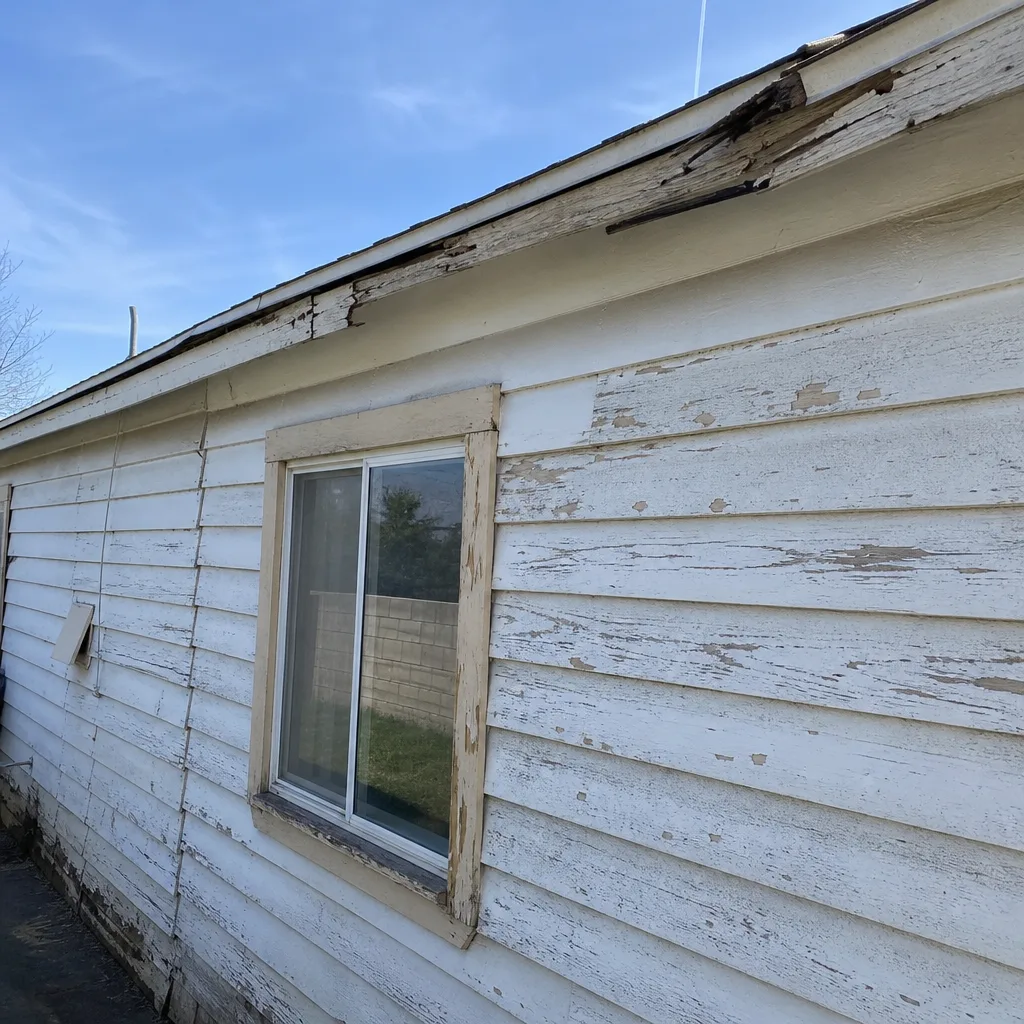
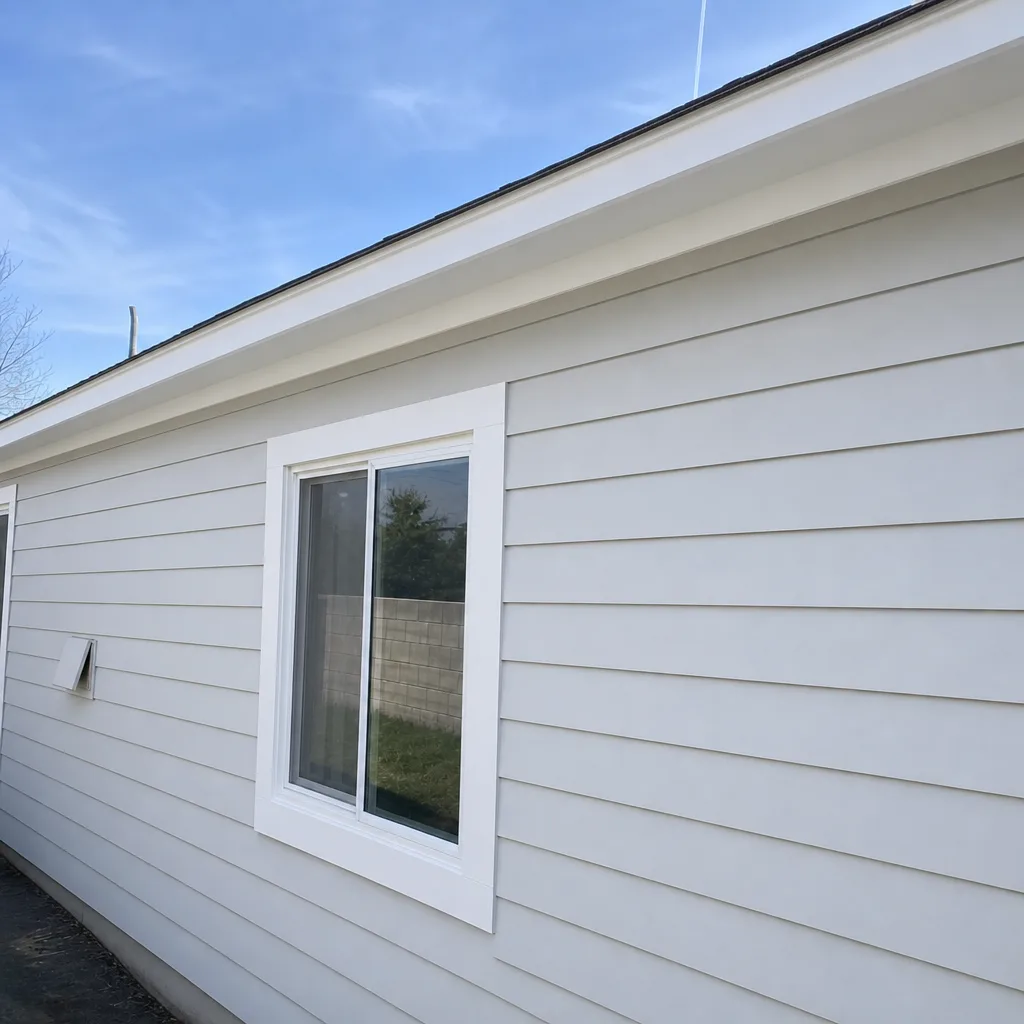
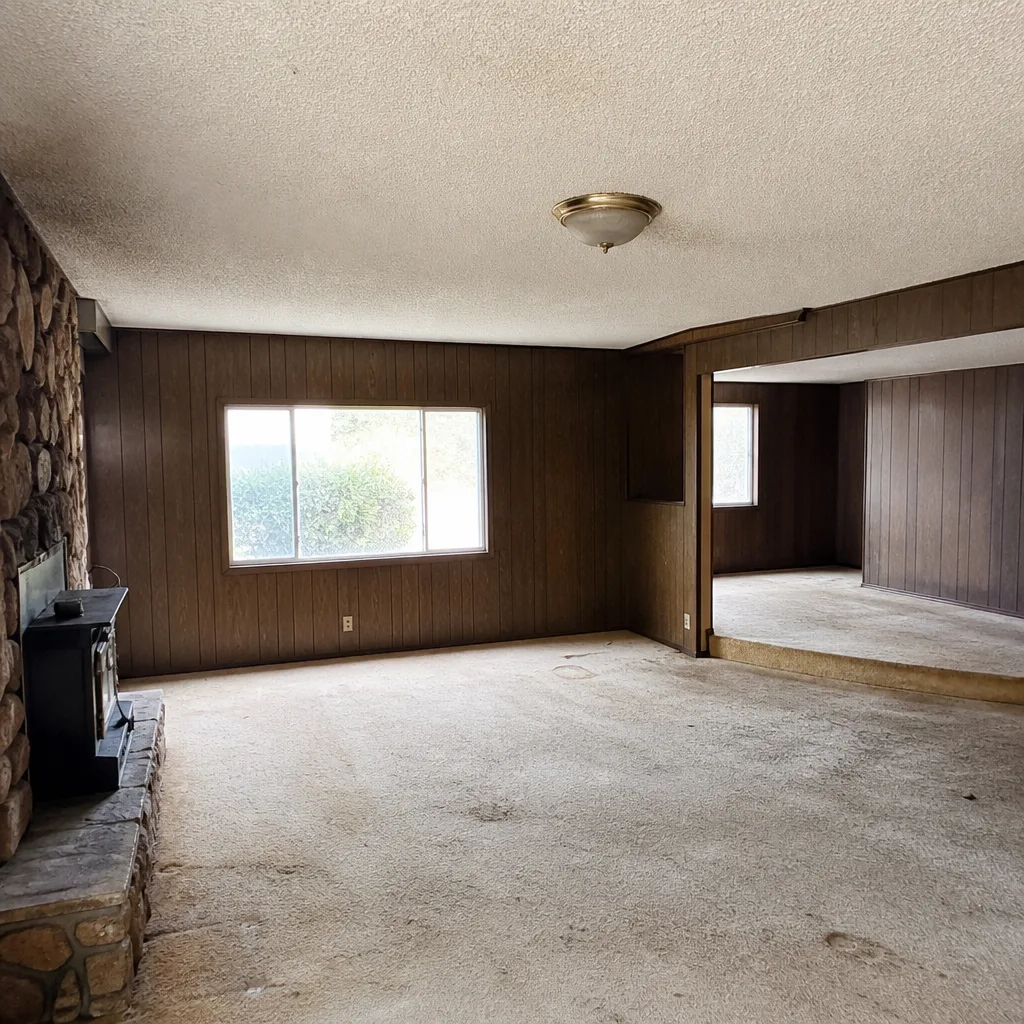
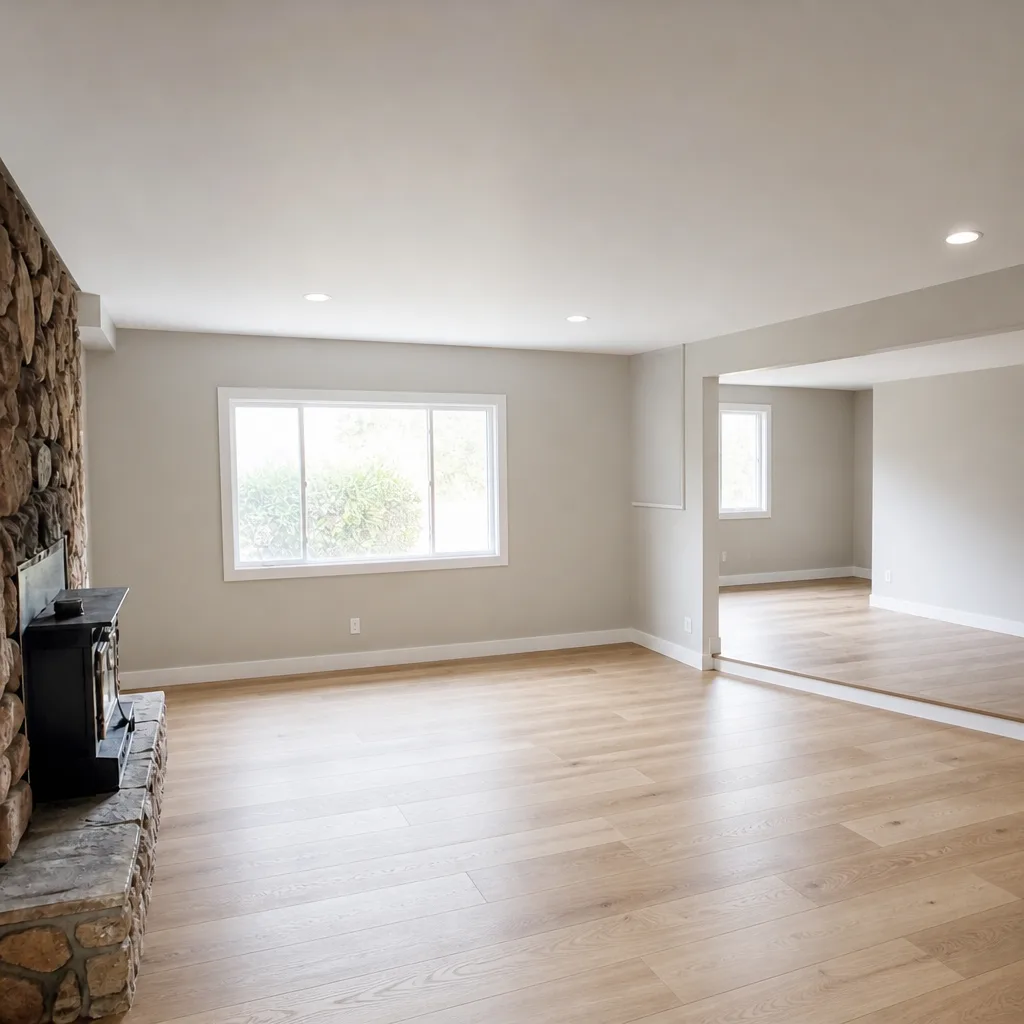
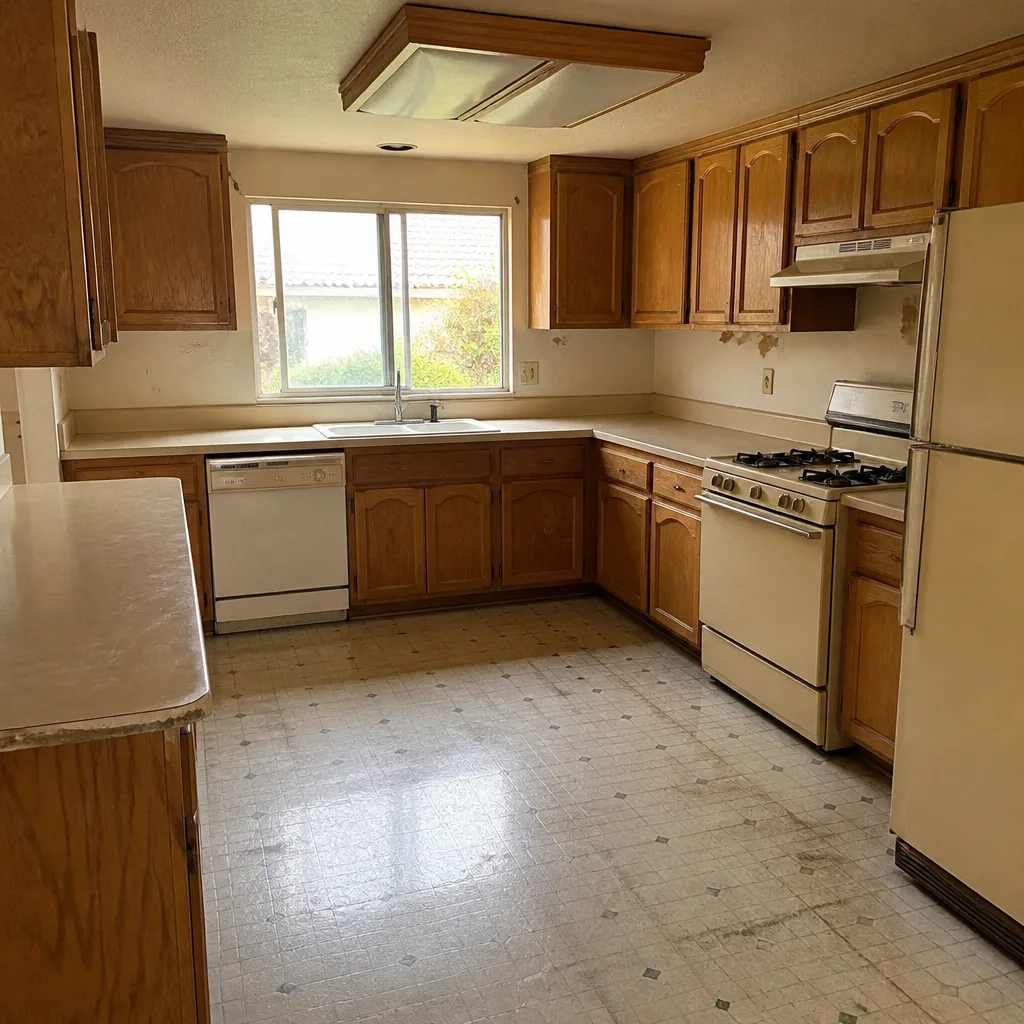
See the difference
 Before
 After
 Before
 After
 Before
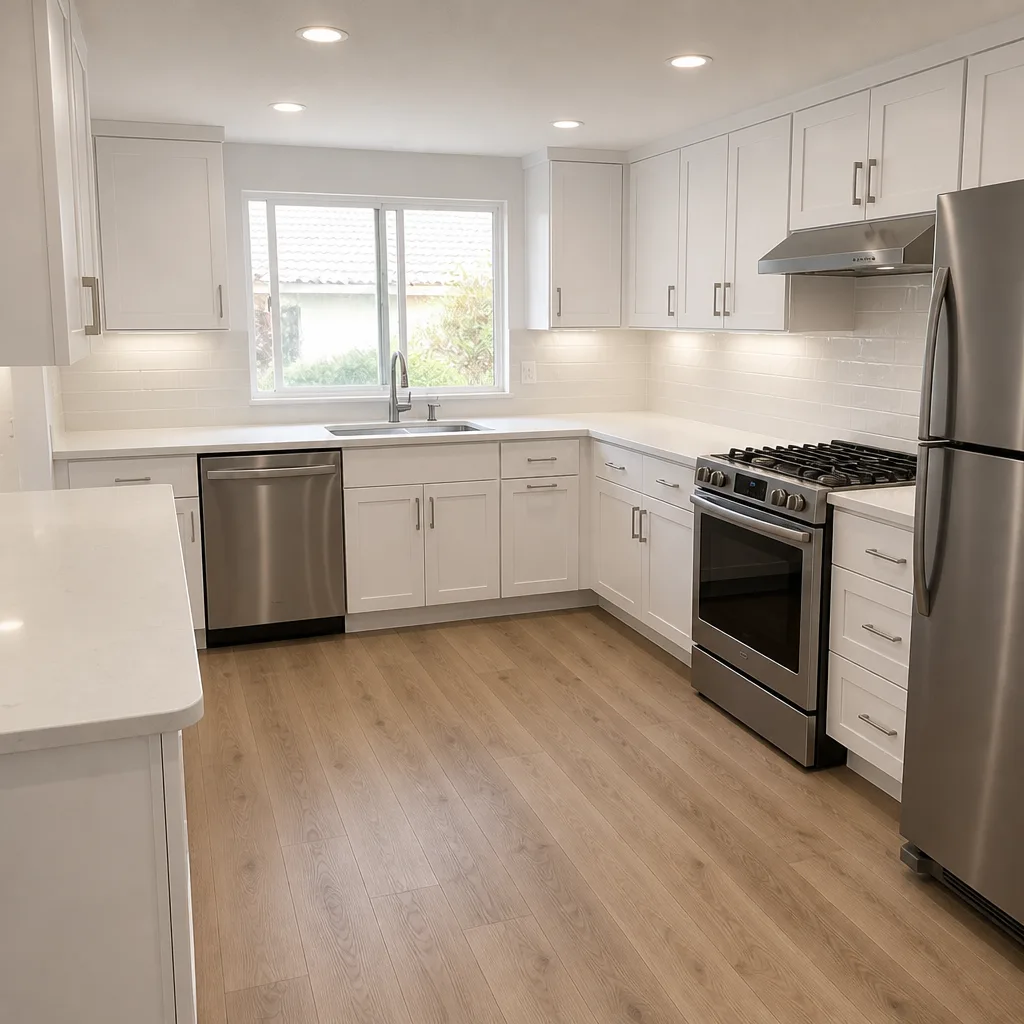 After
When to Call a Professional
Some problems are DIY-solvable, like a sticking cabinet door or a loose outlet cover. Others require professional attention immediately. Call a professional if you see water staining on ceilings or walls, which indicates an active leak. Call if you hear persistent noises from the roof, see structural cracks wider than 1/8 inch, or notice any slope or sag in floors. Call if you smell natural gas. Call if you see cracks around window or door frames that are expanding. These are not cosmetic issues and they don’t resolve themselves. For a deeper look at protecting your home, see our guide on Seasonal Construction Care for Yorba Linda: Year-Round Homeowner’s Guide. Sundance Contractors offers free estimates in Yorba Linda. Call (877) 752-3951 to schedule yours.
Frequently Asked Questions
General contractor fees in Yorba Linda typically run 10 to 20 percent of the total project cost, depending on project scope and complexity. A whole-home remodel with multiple trades and product specifications will be at the higher end of that range, while a single-scope project like a bathroom refresh will be lower. The fee covers project management, trade coordination, scheduling, and quality control. Call (877) 752-3951 for a specific quote, estimates are free.
Document the absence pattern with dates and times, then contact the contractor in writing requesting a revised schedule and a commitment date for work to resume. If the stall continues, review your contract’s termination language and consult the California Contractors State License Board. Abandonment is a serious issue and you have recourse.
In a single-GC structure, the general contractor is responsible and will handle the correction internally. In a multi-vendor structure where you’ve hired separate contractors, you are effectively acting as the general contractor and will need to negotiate between the two parties. This is one of the strongest arguments for hiring a full-scope GC from the start.
A workmanship warranty covers the installation quality and is provided by your contractor, typically for one year. A manufacturer warranty covers the product itself, like a Therma-Tru door or an ECO Window Systems window, and is provided by the brand. The two warranties cover different things and both should be documented in your contract.
Yes, you can terminate a contractor relationship mid-project, but the contract’s termination clause defines the financial terms. You’ll typically pay for work completed to date plus any materials ordered on your behalf. Before you take this step, consider whether the issues are resolvable through conversation or mediation, because mid-project termination is expensive and creates significant delay risk.
Check the California Contractors State License Board website using the contractor’s name or license number. Verify that the license is active, that any workers’ compensation insurance is in force, and that the contractor has no outstanding disciplinary actions. This takes five minutes and should be done before you sign any contract. Call (877) 752-3951 if you’d like to discuss our licensing and insurance documentation.
The Bottom Line
Most contractor problems are solvable, but they’re solved fastest when you know which category they fall into, document them thoroughly, and communicate from a position of facts, not frustration. The three root causes, scope gaps, trade handoff failures, and change order confusion, are all structural issues that a single full-scope GC is built to prevent. If you’re in the middle of a problem right now, start with documentation and a direct conversation. If you’re planning a project, choose a structure that eliminates ambiguity before it starts. Sundance Contractors handles interior and exterior scope under one contract, with one team coordinating every phase. That single-source accountability is the simplest way to avoid the problems this guide describes. If you’re in Yorba Linda or surrounding Orange County, Sundance Contractors home is a good place to start. You can also reach us directly at (877) 752-3951 for a free estimate.
Written by the team at Sundance Contractors, serving Yorba Linda since 2018.