
Last updated October 30, 2026
 Home additions & ADU
 Kitchen remodeling
 Bathroom remodeling
 Roofing
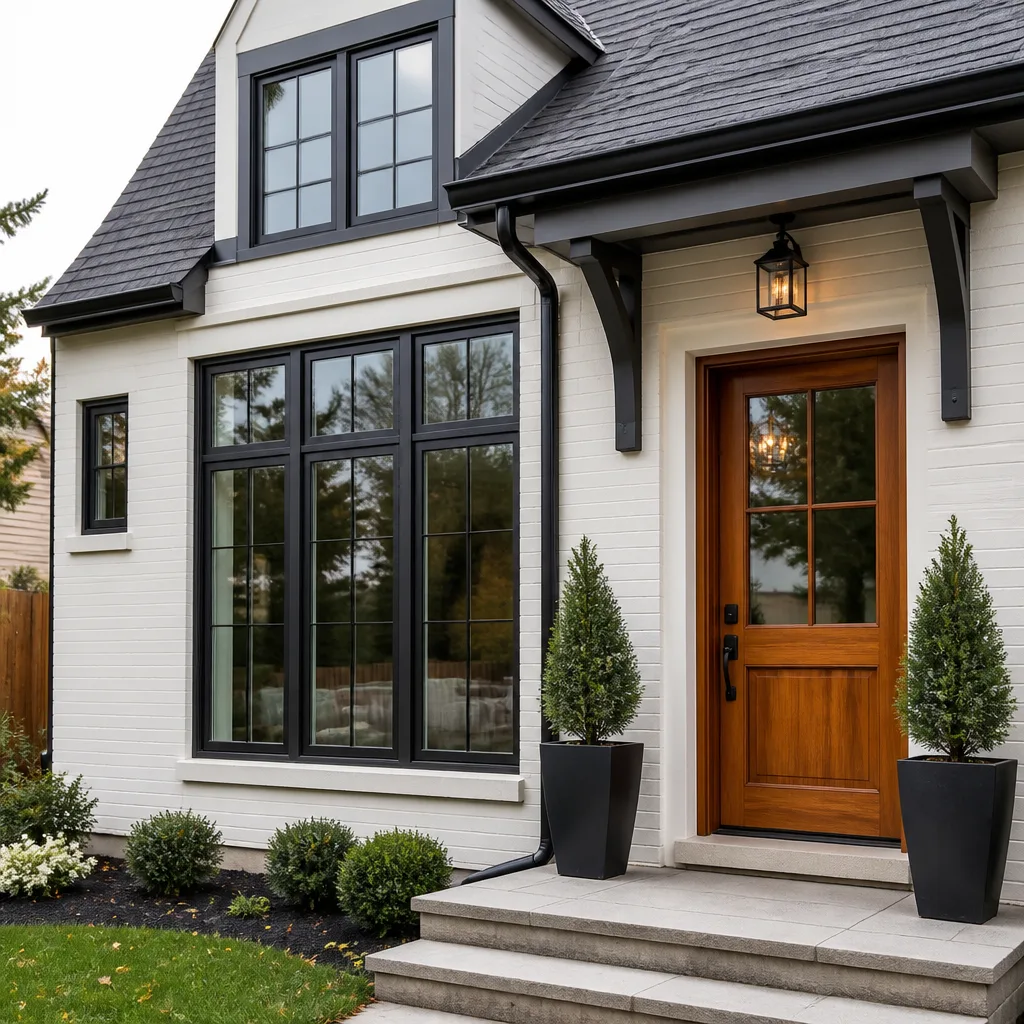 Windows & doors
 Driveway & pavers
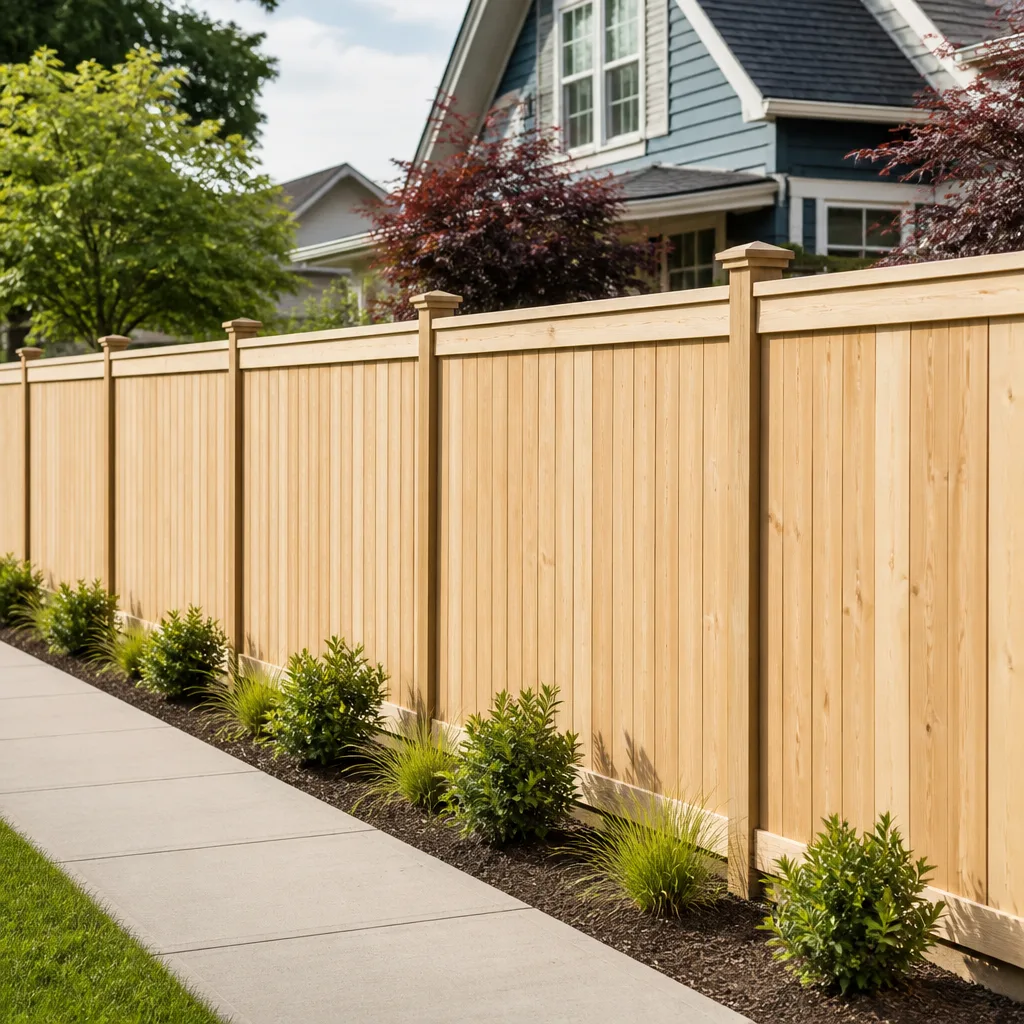 Fence
Free written scope consultation - allowances, timeline, and change-order rules on paper before a single trade is scheduled
Seasonal Construction Care for Yorba Linda: Year-Round Homeowner’s Guide
In Yorba Linda, summer doesn’t damage your roof. It dries out the sealants, flashing compound, and caulking beads that then fail silently when the first significant rain hits in November, which is the actual damage event. Most homeowners treat these as two unrelated problems. They patch the leak, then wonder why it happened in the first place. This Complete Guide to Construction in Yorba Linda connects the dots between all four of Yorba Linda’s stress cycles, so you can anticipate what’s coming and address it before it becomes a five-figure repair. It’s written for homeowners who’d rather plan than react.
Styles & brands we work with
- Kitchen remodeling
- Bathroom remodeling
- Home additions & ADU
- Roofing
- Windows & doors
- Driveway & pavers
- Fence
Quick Answer
Seasonal construction care in Yorba Linda means addressing four connected stress cycles: summer heat that degrades roofing sealants and wood joints, fall Santa Ana winds that exploit loose vents and dry debris, winter rain that reveals drainage and grading flaws, and spring, which is your best window for executing exterior repairs before summer heat and fall permit backlogs arrive. The key is treating maintenance findings as project planning data, not isolated chores.
Table of Contents
- Summer Stress Cycle: What 95°F Actually Does to Your Home
- Santa Ana Season: The Wind Finds Every Flaw
- Winter Wet Season: Hillside Drainage and Flat-Lot Saturation
- Spring Repair Window: Why March Through May Is Your Best Bet
- Stacking Maintenance with Project Planning
- How Yorba Linda’s Climate Should Shape Material Selection
- A Seasonal Inspection Checklist That Actually Works
- Common Mistakes to Avoid
- When to Call a Professional
- Frequently Asked Questions
- The Bottom Line
Summer Stress Cycle: What 95°F Actually Does to Your Home
Yorba Linda routinely sees sustained stretches above 95°F from June through September, with interior valley pockets and hillside exposures pushing higher. On a roof surface, that translates to 140°F to 160°F at the shingle level. Asphalt shingles from GAF, CertainTeed, and Owens Corning are engineered for thermal cycling, but the materials holding them in place aren’t. Roofing cement, pipe boot collars, and vent flashing sealant all lose plasticity under repeated heat soak. By late September, those compounds are brittle. They haven’t failed yet. They’re waiting for the first real rain to push water through the gaps.
Here’s what we look for during summer inspections in Yorba Linda:
- Granule loss on south-facing and west-facing roof planes. These get the harshest afternoon sun. Check gutters for granule accumulation; more than a thin dusting signals accelerated shingle aging.
- Wood fence post movement and joint separation. Yorba Linda’s dry summer air pulls moisture from wood at different rates than the soil line retains it. Posts on the sunny side of a fence line can develop gaps at rail connections by August.
- Window glazing compound cracking. Older aluminum and wood-frame windows with traditional glazing putty dry out in sustained heat. You’ll see hairline cracks where glass meets frame, which is an entry point for both water and Santa Ana-driven dust.
- Caulking failures around exterior door frames and exterior-mounted fixtures. The sun side of any home takes the worst of it, and west-facing walls in East Lake Village or Bryant Ranch are prime candidates.
Summer isn’t the time to replace a roof or re-glaze windows. It’s the time to identify what’s degrading so you can get it addressed before the rain arrives, or at minimum get it documented and quoted. When you call for a General Contractor in Yorba Linda, having a summer inspection list already in hand makes the scoping conversation faster and more accurate.
Santa Ana Season: The Wind Finds Every Flaw
From October through November, Santa Ana winds blow down through the passes at 30 to 50 mph, with gusts exceeding 70 mph in exposed hillside areas. These winds don’t just push loose objects around. They exploit every loose vent, every gap in an eave, every screen that’s popped out of its frame. And in Yorba Linda, where the wildland-urban interface is a real fire consideration, those gaps aren’t just annoying. They’re how fine, dry debris and embers get where they shouldn’t.
Before the first Santa Ana event, run through this list:
- Inspect all roof vents and turbine vents. Loose mounting screws and cracked plastic housings are common after a summer of expansion and contraction. Wind gets under a loose vent and can peel it clean off, leaving an open hole in your roof.
- Walk the perimeter and check eaves, soffits, and fascia boards. Look for gaps where birds or wasps have been working, or where previous repairs have left small openings. In Yorba Linda’s hillside neighborhoods, these gaps collect sycamore leaves and eucalyptus bark, which are fuel sources.
- Clear all scuppers, downspouts, and valley areas. Dry debris in October gets pushed into drainage channels where it hardens into a dam before the first rain. A clogged scupper in December is the result of October debris, not December rain.
- Check fence line tension for gate latches and post hardware. Wind loads on solid-panel vinyl or wood fencing can work fasteners loose over a single season, especially on properties that back up to open space or equestrian trails.
If you’re planning a Home Remodeling in Yorba Linda project that touches the exterior, fall is when you want the permitting and material lead times underway, not the first week of December. The city of Yorba Linda sees a predictable permitting surge in late fall as homeowners try to beat winter rains. Starting the conversation in September gets you ahead of that. We’ve also seen cases where a fall inspection for one issue, like a loose vent, turns up compromised flashing or siding damage that’s been hiding for years. That’s the value of a single contractor looking at the whole envelope, not just the symptom.
Winter Wet Season: Hillside Drainage and Flat-Lot Saturation
Yorba Linda gets most of its annual rainfall between December and February, typically 10 to 14 inches in a normal year, with occasional atmospheric river events dumping 4 to 6 inches in a single day. On hillside properties, that water moves. On flat lots, it sits. Both conditions stress a home differently, and the inspection approach should match.
For hillside and canyon-adjacent homes in neighborhoods like Vista Del Verde or Kerrigan Ranch:
- Check retaining wall weep holes after the first significant rain. If water is seeping through the wall face instead of out the weep holes, you have a drainage failure building behind the wall.
- Inspect swales and v-ditches for channelization. When water starts cutting a path, it erodes faster with each subsequent storm. It needs a hardscape fix, not just gravel.
- Verify that downspout extensions are moving water 6 to 10 feet away from the foundation. Hillside homes often have short downspouts that dump water right at the base of an upslope wall.
For flat-lot and equestrian-adjacent properties across the center of Yorba Linda:
- After the first sustained rain, check for ponding against the stem wall or foundation. If water sits for more than 48 hours, you need a grading correction or a French drain.
- Inspect paver hardscapes for settlement. Saturated base material plus traffic equals low spots by February. Belgard, Unilock, and Techo-Bloc pavers are resilient, but the base beneath them is what fails.
- Check fence posts for frost heave or saturation rot, particularly where sprinkler overspray has been hitting the base all year. By February, soft posts are visibly leaning.
If you’re considering a Home Renovation in Yorba Linda that includes drainage, grading, or hardscape work, winter is the season to document exactly where water pools and how it flows during real rain events. Photos and measurements from an actual storm are more useful than any third-party topo map. Bring those to your contractor conversation. It turns a vague concern into a specific scope-of-work item. We’ve had homeowners in Yorba Linda hand us annotated photos from their own backyard during December rains, and those notes consistently out-perform formal site surveys when it comes to what actually needs fixing.
Spring Repair Window: Why March Through May Is Your Best Bet
In Yorba Linda, spring is the repair window. Not because the weather is nice, though it is. It’s the best time because three forces align: the ground is settled and drained from winter, temperatures are mild enough for sealants and adhesives to cure properly, and the city permit queue is shorter before the summer construction rush. Most critically, completing exterior work by June means your home enters the next heat cycle with intact sealants and sound flashings, rather than already-degraded ones.
Here’s the order of operations that serves Yorba Linda homeowners best:
- March: Complete any drainage or grading corrections identified during winter storms. Ground is workable, and you want drainage fixed before the dry season gives you a false sense of security.
- April: Execute exterior repairs: re-roofing sections, flashing replacement, siding repairs, window re-glazing, fence post replacement. Temperatures are in the 70s and 80s, ideal for shingle sealing and caulk adhesion.
- May: Finish hardscape and paving work. Base preparation and paver compaction benefit from dry soil. By June, paver sand and jointing compounds have fully set and you head into summer heat with a stable surface.
This timeline also matters for product availability. The cabinet lines we specify, like KraftMaid and Wellborn, and stone surfaces like Cambria and Silestone, have lead times that stretch in summer and fall. If you’re planning an interior remodel alongside exterior work in Yorba Linda, starting the conversation in spring means your cabinets are ordered before the fall backlog hits. You aren’t paying rush fees, and you aren’t waiting on a single missing cabinet to hold up an entire kitchen installation.
Stacking Maintenance with Project Planning
The single biggest mistake we see in Yorba Linda is treating maintenance as a separate activity from project planning, as our Complete General Contractor Guide for Yorba Linda Homeowners explains. A homeowner will call for a roof repair, get it done, and then a year later start a kitchen remodel. They never connect the two. But the roof inspection that found the failed flashing? That’s the same roof that’s over the kitchen they’re about to remodel. A contractor who’s already been on that roof and knows its condition can scope the kitchen project more accurately, and can tell you whether the roof needs work before or after the interior is opened up.
Here’s how we recommend structuring the relationship:
- Keep a running maintenance log. Every inspection finding, every quote, every repair. When you start a remodel, bring that log. It’s the difference between “I think the windows are okay” and “The west-facing windows had glazing cracks noted in June of last year, repaired in September, and here’s the photo.”
- Use seasonal inspections as discovery for future projects. A drainage inspection that finds a grading issue can become part of a hardscape or outdoor living project later. The data has already been collected.
- Work with a contractor who has the full scope in-house. When the roofer, the fence installer, the window installer, and the cabinet installer are all different people, no one is looking at how those systems interact. A full-scope contractor, like Sundance Contractors home team, sees the house as one system. One contractor. Every phase. That’s not marketing language; it’s how accurate scoping works.
How Yorba Linda’s Climate Should Shape Material Selection
Material choices that work in coastal California often fail in Yorba Linda’s inland heat and wind. We carry the brands worth specifying precisely because they hold up to this specific climate profile, not just because they’re recognizable names.
For roofing: GAF, CertainTeed, and Owens Corning all make impact-rated and high-wind-rated shingle systems. In Yorba Linda, the relevant rating is the wind uplift resistance, not impact from hail. Santa Ana gusts test fastening patterns more than anything else. A properly fastened architectural shingle with the right underlayment simply outperforms builder-grade three-tab in this environment.
For siding and trim: James Hardie fiber cement handles the heat-dry-wind cycle better than wood or vinyl. It doesn’t warp in high heat, doesn’t separate at joints the way wood does, and doesn’t get brittle in thermal cycling the way lower-grade vinyl can.
For hardscaping: Yorba Linda hillside drainage and flat-lot saturation both favor permeable paver systems or well-engineered base drainage. Brands like Belgard, Unilock, and Techo-Bloc offer permeable options that handle the winter wet season without pooling, while Cambridge Pavers offers structural systems for driveways and pool decks that see heavy summer traffic.
For prefab and ADU structures: If you’re planning an ADU in Yorba Linda, manufacturer partnerships matter. We work with Abodu, Dvele, and Mighty Buildings for fully-permitted prefab ADUs that arrive with roofing, windows, and exterior systems already engineered. The thermal and wind specifications on these units are often better than site-built alternatives, because they’re designed for California building code compliance from the factory floor, not improvised on-site.
A Seasonal Inspection Checklist That Actually Works
Here’s a month-by-month framework, specific to Yorba Linda conditions. This isn’t a generic checklist. It’s the one we’d hand a client who wants to stay ahead of the four stress cycles.
June through August (Heat Stress)
- Check gutters for granule accumulation from roof shingles
- Inspect south and west-facing window caulking for cracking
- Look for fence post movement at rail connections
- Document any visible roof sealant deterioration for fall repair
September through November (Santa Ana Prep)
- Check all roof vents, turbine vents, and fascia for loose fasteners
- Clear eaves, soffits, and valleys of accumulated dry debris
- Verify gate latches and fence hardware are tight
- Address any gaps that would allow wind-driven debris entry
December through February (Rain Response)
- After first significant rain, check for ponding against foundation walls
- Inspect retaining wall weep holes for proper drainage
- Verify downspouts are routing water 6 to 10 feet from the home
- Document any hillside channelization or erosion for spring repair
March through May (Repair Window)
- Complete drainage and grading corrections from winter observations
- Schedule exterior repairs: roofing, flashing, siding, windows, fencing
- Order any long-lead materials for summer or fall projects
- Start permit applications for planned renovations
Common Mistakes to Avoid
- Reacting to leaks instead of preventing them. In Yorba Linda, the leak that appears in December was set in motion in July. Waiting for evidence of water damage means you’re already behind the failure curve.
- Ignoring the west-facing wall. The afternoon sun in Yorba Linda punishes west-facing exterior surfaces harder than any other exposure. If you only inspect the front of your house, you’re missing the side that takes the worst of it.
- Treating drainage as a one-time fix. Grading shifts, downspouts get disconnected, and hardscape settles. Your drainage system needs a seasonal check, not a single correction a decade ago.
- Cleaning gutters in fall and calling it done. Debris in Yorba Linda’s gutters during Santa Ana season gets baked and compacted by October winds. Cleaning once in November doesn’t address the September accumulation.
- Not documenting seasonal findings. A photo of water pooling in December is more useful for a contractor in March than any verbal description. Without documentation, you’re re-diagnosing every year.
- Splitting work across disconnected contractors. When a roofer fixes the flashing, a window installer replaces the window, and a paver contractor fixes the patio, no one owns the interfaces between those systems. A full-scope general contractor approach closes those gaps.
- Waiting until fall to start exterior project planning. By October, the Yorba Linda permit queue is filling up and material lead times have jumped. Starting in spring means your project is underway when everyone else is just starting to look for a contractor.
When to Call a Professional
If you’ve spotted granule loss that’s visible from the ground, water staining on interior ceilings or walls, fence posts that have shifted more than an inch at the base, or drainage that pools against your foundation after a normal rain, those aren’t DIY items. A trained contractor can identify whether what you’re seeing is surface-level or structural, and more importantly, whether it’s connected to other issues elsewhere in the building envelope. Sundance Contractors offers free estimates in Yorba Linda, call (877) 752-3951, and we’ll walk the property with you to give you an honest assessment of what needs attention now and what can wait. One contractor, one conversation, one plan.
Frequently Asked Questions
Most Yorba Linda homeowners spend between $600 and $2,500 per year on preventive exterior maintenance, depending on home size, age, and whether any repair items are found during inspections. A basic inspection with minor caulking and flashing repair typically falls at the lower end, while a year that includes roof repairs, fence post replacement, or drainage corrections will push toward the higher end. Call (877) 752-3951 for an exact quote based on your property, estimates are free.
The best time to replace a roof in Yorba Linda is March through May, when temperatures are mild enough for proper shingle sealing and the material lead times are shorter than in late summer and fall. A roof replaced in spring is fully settled before the next winter’s rain season, and you avoid the October permitting backlog that Yorba Linda experiences every year.
Most simple exterior repairs like flashing replacement, caulking, and fence post replacement don’t require a permit, but drainage corrections involving grading, retaining walls, or significant hardscape work often do. The city of Yorba Linda requires permits for retaining walls over a certain height and for drainage systems that alter site runoff patterns. A licensed general contractor can tell you definitively which items on your list trigger permitting, which is why choosing the right construction brand in Yorba Linda matters.
Minor exterior repairs like flashing, caulking, and vent replacement can usually be completed in a single day. Roof repairs typically take one to three days depending on scope, while drainage or grading corrections might take one to two weeks including permits and inspections. Larger exterior projects like siding replacement or a full hardscape installation typically span several weeks to a few months, and spring is the best time to schedule these in Yorba Linda.
You can absolutely do your own visual inspections from the ground, and that’s a good practice. What a professional brings is the ability to identify whether what you’re seeing is cosmetic or structural, and to spot connections between systems that aren’t obvious from a casual walk-around. A roofer sees the flashing issue; a full-scope general contractor sees the flashing issue and notices it’s related to the drainage slope three feet below it.
Document it with photos and get a professional assessment as soon as possible, because water damage never improves on its own and it often indicates a larger envelope failure. In Yorba Linda, water damage that shows up in December or January is usually the result of degraded sealants from the previous summer heat cycle. Call (877) 752-3951 and we’ll get someone out to look at it, estimates are free.
The Bottom Line
Yorba Linda doesn’t have four seasons in the traditional sense. It has four stress cycles that each set up the next one for either resilience or failure. Summer heat degrades what fall winds expose, fall winds deposit the debris that winter rain turns into drainage problems, and winter rain reveals what spring is for fixing. The homeowners who stay ahead of this cycle are the ones who treat maintenance as a planning function, not a reaction to damage. They document findings, they schedule work in the right window, and they work with a contractor who sees the entire house as one connected system. If that’s the kind of homeowner you are, we’d be glad to walk your property with you, or you can explore more guides & resources on our blog. Call (877) 752-3951 to schedule a free estimate.
Written by the team at Sundance Contractors, serving Yorba Linda since 2018.
See the difference
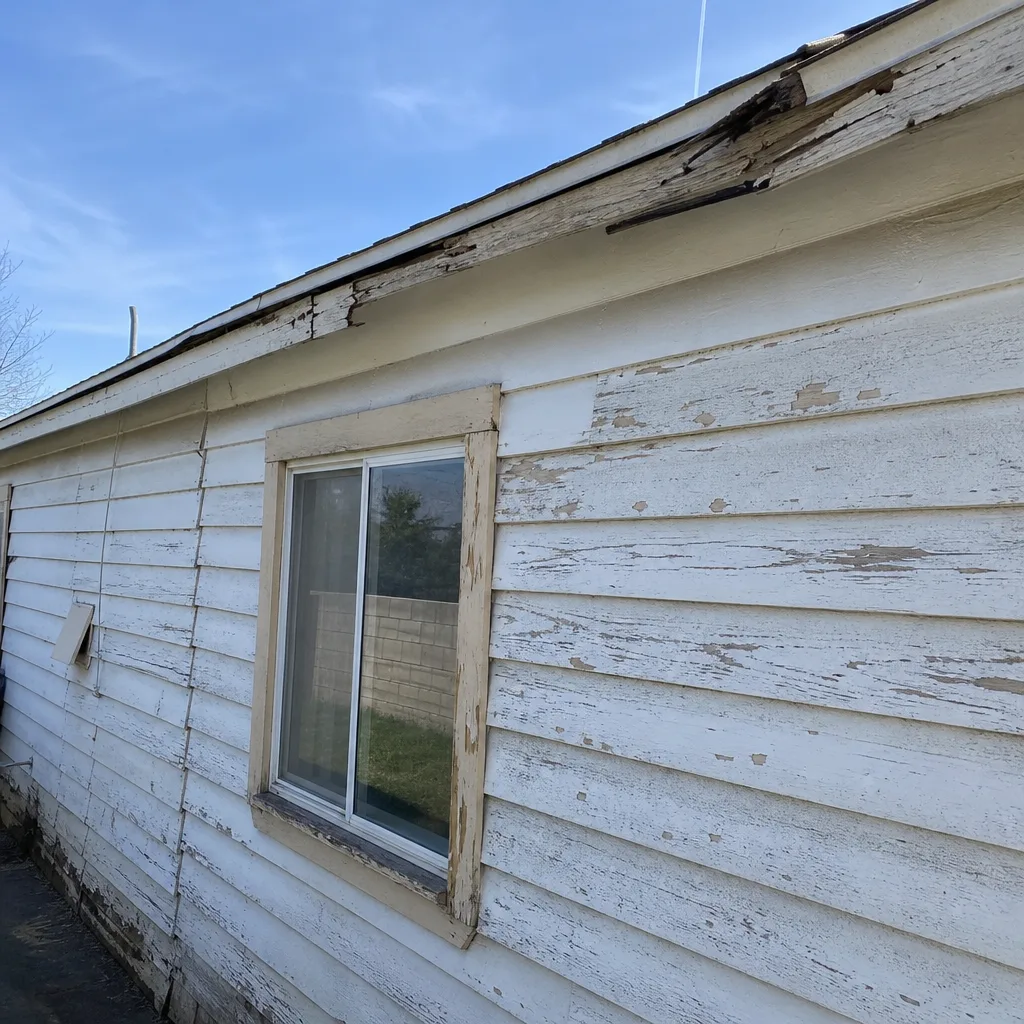 Before
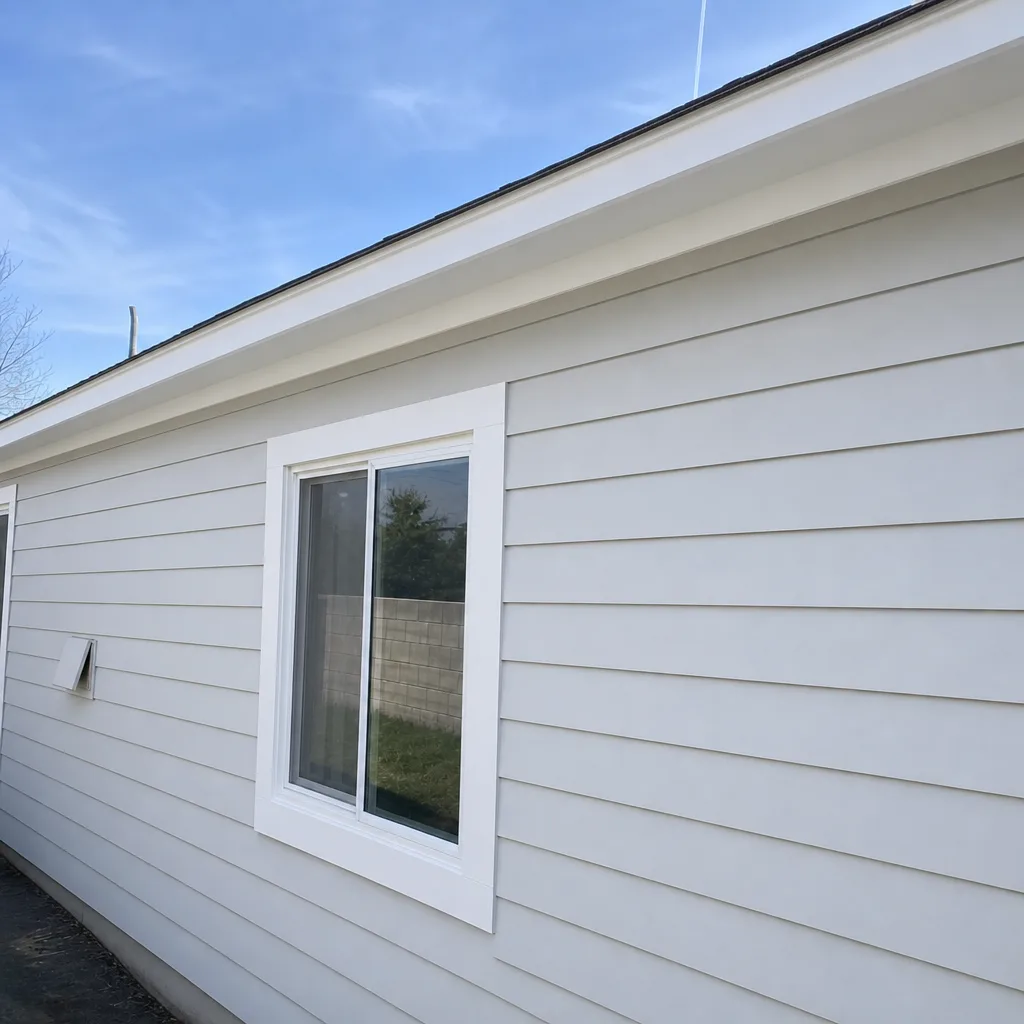 After
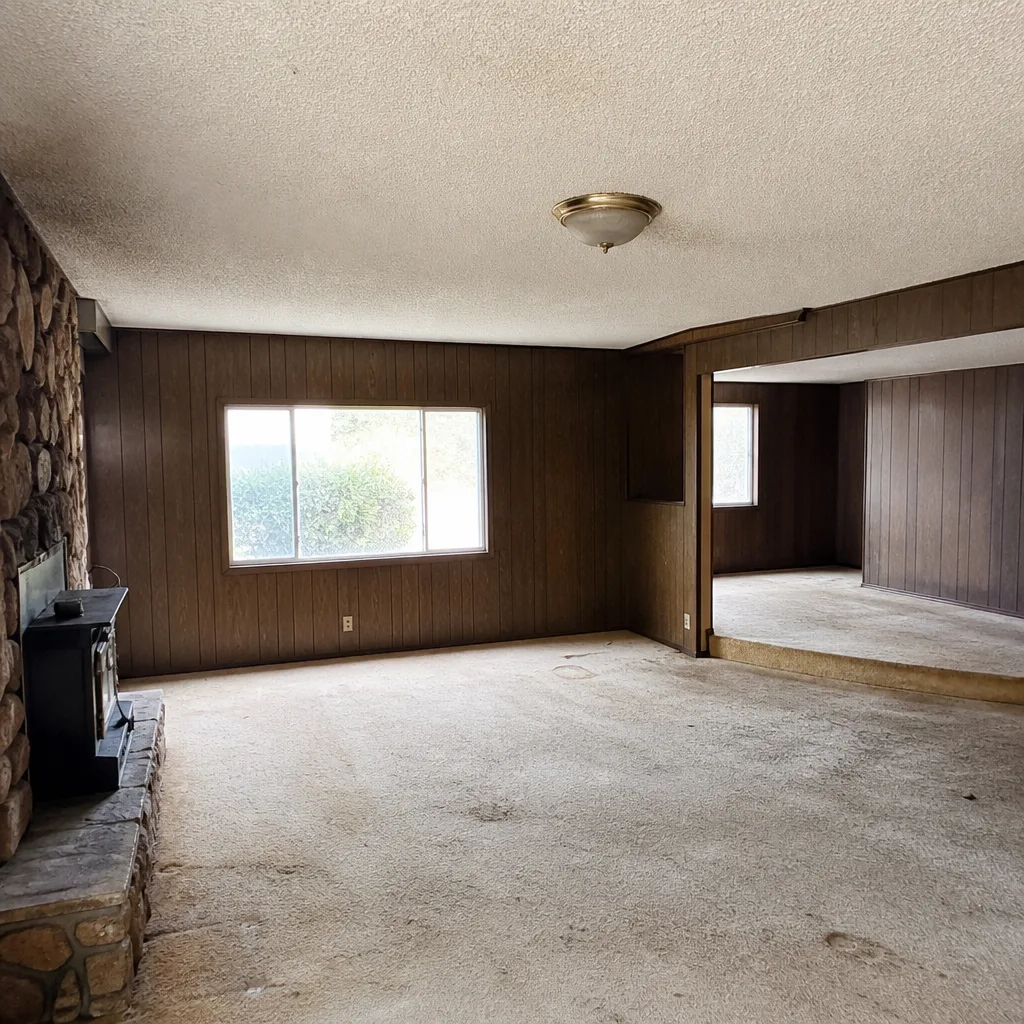 Before
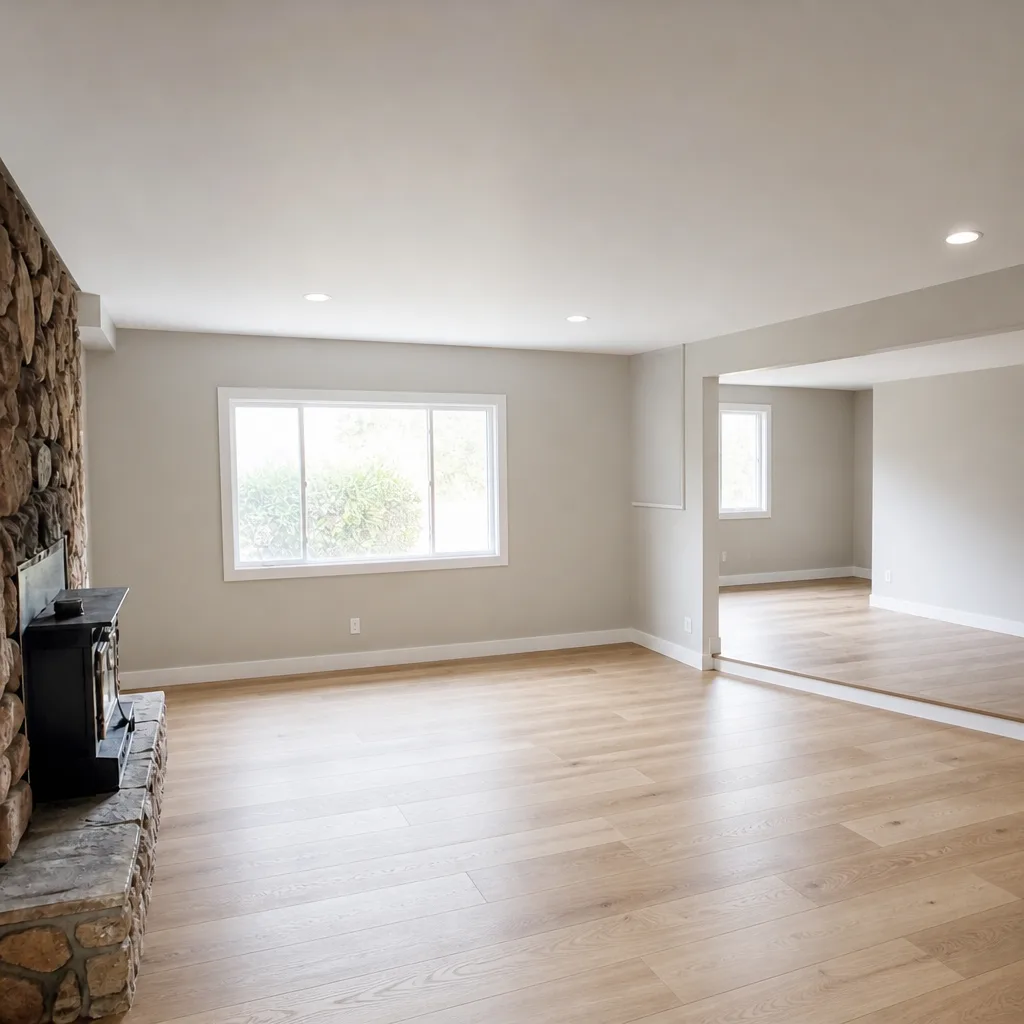 After
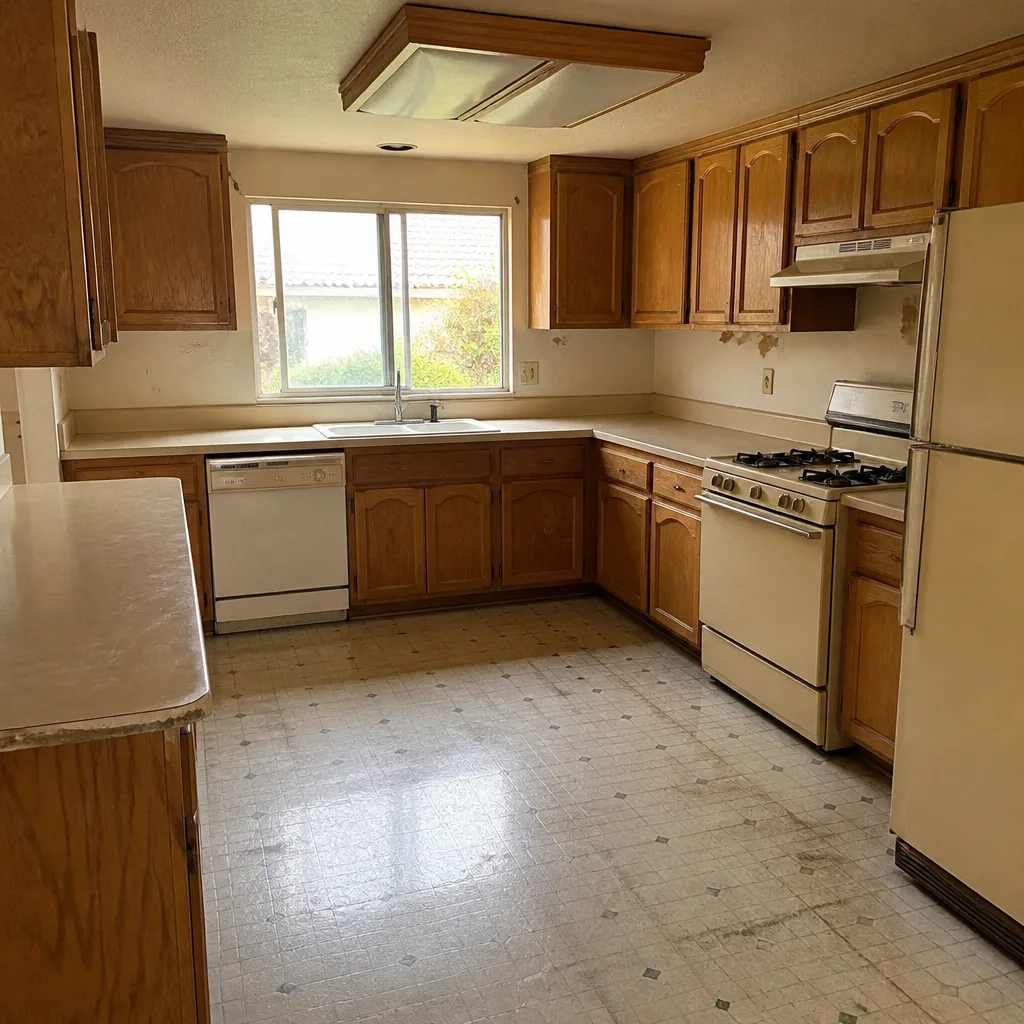 Before
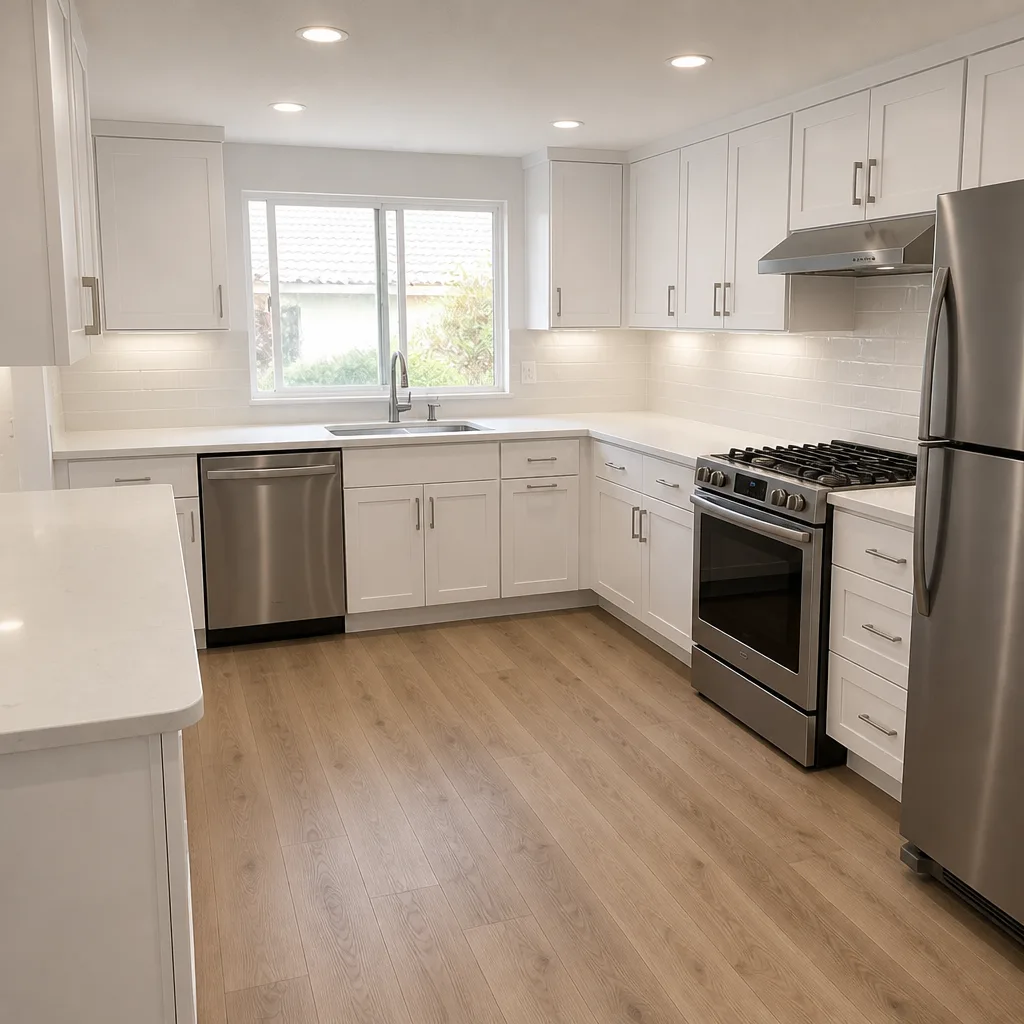 After