
Last updated October 30, 2026
 Home additions & ADU
 Kitchen remodeling
 Bathroom remodeling
 Roofing
 Windows & doors
 Driveway & pavers
 Fence
Free written scope consultation - allowances, timeline, and change-order rules on paper before a single trade is scheduled
General Contractor Maintenance Checklist for Yorba Linda Homeowners
The Santa Ana winds that tear through Yorba Linda each fall don’t just scatter patio furniture. They pull roofing fasteners loose, pressure-test window seals until they fail, and pack gutters with debris that sits through the winter rains. Most homeowners address exactly zero of those three outcomes until one of them becomes a four-figure repair; see our General Contractor Troubleshooting: Common Problems and How to Fix Them for early warning signs. This checklist is built around Yorba Linda’s actual weather sequence: wind season from September through December, a compressed wet season from January through March, and inland heat spikes above 100°F from July through September. If your home survives those three gauntlets each year, you’re ahead of 90% of your neighbors.
Styles & brands we work with
- Kitchen remodeling
- Bathroom remodeling
- Home additions & ADU
- Roofing
- Windows & doors
- Driveway & pavers
- Fence
Quick Answer
A Yorba Linda home maintenance checklist should follow three inspections per year: a post-Santa Ana exterior check every November (roof flashing, gutters, window seals, stucco), a pre-rain drainage check every January (downspouts, grading, fascia), and a pre-heat HVAC and attic ventilation check every June. Most Yorba Linda homes fail at the roof-fastener and window-seal level first because wind-driven dust abrades seals and repeated thermal cycling loosens fasteners faster than rain ever could. Budget 4 to 6 hours per year on these tasks total, and document everything with photos for insurance purposes if you live in a wildland-urban interface zone. For help finding qualified help, read How to Hire a Construction Contractor in Yorba Linda: A Step-by-Step Guide.
Table of Contents
- The Santa Ana Wind Checklist: What Actually Fails First
- The Wet Season Checklist: Drainage Before the First Big Storm
- The Summer Heat Checklist: What 100°F Days Do Indoors
- Attic Ventilation: The Overlooked Interior Maintenance Item
- Keeping Your Home Permit-Ready: Maintenance That Avoids Costly Surprises
- Documenting Maintenance for Insurance in a Wildland-Urban Interface Zone
- Common Mistakes to Avoid
- When to Call a Professional
- Frequently Asked Questions
- The Bottom Line
Key Takeaways:
- Run exterior inspections after the first major Santa Ana event, not before the rainy season starts.
- Attic ventilation is a maintenance item, not a construction feature – it fails silently over time.
- Document maintenance with dated photos if you live in a wildfire-adjacent zone in Yorba Linda.
- Most roof leaks on Yorba Linda homes start at flashing, not shingles.
- Preventive maintenance on drains and downspouts costs under $100; emergency water remediation starts at several thousand.
The Santa Ana Wind Checklist: What Actually Fails First
Here’s the sequence we’ve observed on hundreds of Yorba Linda homes: the first strong Santa Ana event of the season does more damage than the entire wet season that follows. Wind gusts channel through the canyons and hit rooflines at odd angles. The uplift pressure works roofing fasteners up and out. Then rain finds those newly loosened entry points. By the time you see a ceiling stain, the water has been moving through the roof assembly for weeks. In our experience, the specific failure order on Yorba Linda homes is: roof flashing and ridge cap, window and door seals, stucco hairline cracks, gutter hangers, and fascia boards. Here’s what to check after each major wind event, in order of likelihood of failure:
- Roof flashing and ridge cap. Walk the perimeter of your home with binoculars. Look for lifted shingle edges, missing granules accumulating in gutters, and flashing that has separated from the wall or chimney. Flashing is the number one leak source on Yorba Linda homes. If you see shiny metal where it used to lay flat, call a contractor before the next rain. A flashing repair is a few hundred dollars. A leak that reaches your sheathing and insulation is a different project entirely.
- Window and door seals. Wind-driven dust acts like sandblasting. Over a single season, it can degrade the rubber compression seals on sliding doors and casement windows. Feel around window frames on a windy day. If you feel air movement, the seal has failed. This is also when we see homeowners discover that their older aluminum-framed windows have lost their thermal efficiency. Modern window lines from PGT or CGI are engineered for coastal and high-wind zones, and the difference in seal design is noticeable.
- Stucco hairline cracks. Santa Ana winds flex the framing of a home, especially on exposed west-facing and north-facing walls. Hairline cracks under 1/8 inch are structural movement, not water intrusion – but monitor them. If a crack widens after repeated wind events, it’s worth having a general contractor assess whether the underlying framing is moving beyond normal limits. In Yorba Linda, stucco cracks on second-story walls are common because those walls experience the most flex.
- Gutter hangers and fascia boards. Wind gets behind gutters and pulls them away from the fascia. Loose gutters then sag, and water overflows at the sag point instead of reaching the downspout. Check gutter alignment from the ground after each major wind event. Look for gaps between the gutter and fascia, and any section where the gutter slopes the wrong direction.
- Fence posts and gate hardware. High winds loosen gate hinges and pull fence posts out of plumb. A sagging gate is annoying. A gate that rips free in a 70 mph gust can damage a car or a stucco wall. Tighten hardware in October and check again after the first big wind event.
One thing most checklists miss: inspect the upwind side of your home first. The side facing the direction Santa Ana winds come from – typically the northeast side in Yorba Linda – takes the most abuse. If you only inspect the side you see from the street, you’ll miss the wall that’s actually failing.
The Wet Season Checklist: Drainage Before the First Big Storm
Yorba Linda’s rain comes in compressed windows. The city can receive a third of its annual rainfall in a single week. That means drainage systems don’t get a chance to recover between storms. A gutter that’s 30% clogged becomes 100% clogged by the second day of a storm system. The checklist below should be completed in January, before the heaviest rain typically arrives:
- Clean gutters and downspouts after leaf drop, not before. The native oaks and sycamores in and around Yorba Linda drop leaves late in the year. If you clean gutters in November and then the last leaf drop happens in December, you’ve done the work twice or not at all. Clean them once, after the leaves are down, and install gutter guards if you’re doing it more than twice a year.
- Check downspout discharge points. Downspouts should discharge at least 4 to 6 feet from the foundation. In Yorba Linda, many homes sit on gently sloping lots in neighborhoods like East Lake and Bryant Ranch. A downspout that discharges at the foundation on a sloped lot will saturate the soil and eventually find its way into a wall cavity or slab crack. Extensions cost $15. Foundation repairs do not.
- Verify soil grading slopes away from the home. Over years, soil settles. The grade that was positive when the home was built may now slope toward the foundation. Walk the perimeter during a rainstorm. Water pooling anywhere within 3 feet of the foundation is a problem. Our General Contractor in Yorba Linda team regularly finds that this single check catches 80% of moisture-related foundation issues before they start.
- Inspect exterior door thresholds and garage door seals. These are the two most common water entry points in Yorba Linda homes during sustained rain. Wind-driven rain finds gaps under exterior doors surprisingly fast. A door sweep replacement is a 20-minute fix. Water-damaged flooring at an entry threshold is a much larger project – and a common trigger for Home Remodeling in Yorba Linda work.
- Test your sump pump if you have one. Homes in lower-lying areas of Yorba Linda, particularly those below Fairmont Boulevard near the creek corridors, may have sump systems. Pour a bucket of water into the pit in January and confirm the pump activates and discharges properly. A failed pump discovered during a storm is a preventable emergency.
The Summer Heat Checklist: What 100°F Days Do Indoors
Yorba Linda routinely sees summer days above 100°F, and the inland location means overnight lows don’t drop as far as coastal communities. Your home’s cooling system runs for 12 to 16 hours a day during peak heat. That continuous load reveals maintenance gaps quickly. Here’s the June checklist, before the worst of the heat arrives:
- Change or clean HVAC filters monthly during peak cooling months. A clogged filter forces the blower to work harder, which shortens motor life and increases energy bills. In Yorba Linda’s dusty environment – especially after Santa Ana season – filters clog faster than manufacturers’ 90-day recommendations suggest. Check monthly from June through October.
- Inspect and clean condenser coils. The outdoor condenser unit pulls air through coils. Dust, landscaping debris, and cottonwood fibers clog those coils and reduce heat transfer efficiency. In Yorba Linda, cottonwood trees are common near the equestrian areas and along trail corridors. Clean the coils once in June for the season.
- Check ductwork in accessible attics or crawlspaces. Ducts that have separated at the seams leak cooled air into unconditioned space. In attics that reach 130°F on summer afternoons, the differential pressure is highest. If you have accessible duct runs, check connections annually. If you have an older home with original ductwork, have it inspected by a licensed HVAC contractor once. Duct leakage of 20% or more is common in homes built before 2000 in Yorba Linda.
- Verify that bathroom and kitchen exhaust fans discharge outdoors. Fans that terminate in the attic dump moist air into insulation. In summer, that moisture bakes and condenses, creating conditions for mold. In winter, the same problem compounds. This is one of the most common code violations we find during Home Renovation in Yorba Linda projects, and it’s usually not flagged during a home purchase inspection.
- Inspect weatherstripping on all exterior doors. Heat intrusion through gaps around doors is an energy cost, but it also creates moisture issues when summer monsoonal moisture pushes through the region. Check the compression on all door seals. Replace anything that’s flattened or brittle.
Attic Ventilation: The Overlooked Interior Maintenance Item
Here’s something most Yorba Linda homeowners never think about: your attic ventilation is a maintenance item that fails over time, and when it fails, it degrades your roofing system from the inside out. Attic temperatures in Yorba Linda routinely exceed 130°F during summer afternoons. If that heat isn’t exhausted properly, it radiates down through the ceiling, increasing cooling load. But more importantly, it bakes the underside of your roof decking. That heat accelerates the aging of roofing materials, particularly asphalt shingles, which dry out and become brittle. A 25-year shingle becomes a 15-year shingle in an underventilated attic. Here’s the inspection protocol:
- Check that intake vents are not blocked. Soffit vents are the intake side of the ventilation equation. Over time, insulation settles or gets blown across soffit vents, blocking airflow. In Yorba Linda, dust from Santa Ana winds also accumulates on soffit screening. Inspect from inside the attic with a flashlight. You should see daylight at each soffit vent.
- Verify exhaust vents are clear. Ridge vents, box vents, or wind turbines exhaust hot air from the attic. Bird nests, dust buildup, and debris can obstruct them. In wind-prone Yorba Linda, ridge vent fasteners also loosen over time. A ridge vent that’s partially lifted lets rain in during winter storms.
- Check for proper ventilation balance. The general rule is 1 square foot of vent area for every 150 square feet of attic floor space, split roughly evenly between intake and exhaust. If your home was built before modern energy codes, there’s a good chance it’s underventilated. A contractor can calculate this for you during any roofing or insulation project.
- Look for signs of moisture. Rusted nails poking through the roof deck, dark staining on the underside of sheathing, and condensation on ductwork are all signs that ventilation is inadequate. Moisture in an attic in Yorba Linda’s climate is more often a ventilation problem than an active roof leak.
If you’re planning a roofing project or a Home Remodeling in Yorba Linda that includes insulation work, attic ventilation should be addressed in the same scope. It’s one of those items that’s significantly cheaper to fix when the roof is already open.
Keeping Your Home Permit-Ready: Maintenance That Avoids Costly Surprises
Here’s a scenario we help Yorba Linda homeowners navigate regularly: you’re planning a kitchen remodel or an addition and need our General Contractor services. You pull permits. The inspector looks at the work area and finds something unrelated to your project – an outdated water heater strapping detail, a missing GFCI in a required location, or a non-compliant attic access. Now your permit is held up on items you didn’t plan for. The maintenance items below are the most common triggers for mandatory upgrades during a permitted remodel in Yorba Linda. Addressing them as part of routine maintenance keeps your future project scope clean:
- Water heater strapping and flexible supply lines. California code requires water heaters to be strapped to the wall for seismic safety. Older installations often lack the required double strapping. If an inspector sees an unstrapped water heater during a remodel inspection, they may require correction before signing off. Check yours now. Strapping kits cost under $30.
- GFCI protection in kitchens, bathrooms, and outdoor outlets. Building inspectors check for GFCI protection in all required locations when they’re in the home for any permitted work. If your outlets don’t have it, correcting it during a remodel adds electrical scope you didn’t budget for. Test your GFCIs monthly and replace any that don’t trip.
- Smoke and carbon monoxide detector placement. California requires smoke detectors in each sleeping area and on each level, plus carbon monoxide detectors on each level. Many older Yorba Linda homes were built when one smoke detector in the hallway was considered adequate. Replace batteries annually and verify placement. It’s cheap, it’s required, and it’s the first thing an inspector checks.
- Attic access dimensions. If your attic access is smaller than the current minimum, a remodel that involves structural or insulation work may trigger a requirement to enlarge it. This is a frustrating discovery mid-permit. While you’re in the attic checking ventilation, measure the access opening. If it’s smaller than roughly 22 by 30 inches, budget for future correction.
- Exterior door and window egress in bedrooms. Bedroom windows must meet egress requirements for emergency escape. If you’re remodeling a room into a bedroom, or if your project touches any bedroom window, the inspector will verify egress dimensions. Older windows frequently fail this check. Knowing your window dimensions before you plan a project prevents scope creep.
Documenting Maintenance for Insurance in a Wildland-Urban Interface Zone
Parts of Yorba Linda sit in or adjacent to the wildland-urban interface – the zone where residential development meets undeveloped open space. The hillsides, canyon areas, and neighborhoods bordering Chino Hills State Park and the Santa Ana River trail corridor are all in this category. Insurance carriers have become significantly more rigorous about documentation in these zones. The maintenance work you do is only useful to an insurance claim if you can prove you did it. Here’s a documentation protocol that takes minutes per task and protects you in a claim scenario:
- Take dated photos of every maintenance task. A photo of your cleaned gutters, your strapped water heater, and your cleared ventilation, each with a visible date stamp, creates a record that survives any dispute. Phone photos with GPS metadata are fine.
- Keep receipts for materials and professional services. If you hired a contractor to clean gutters, repair flashing, or service your HVAC, keep the invoice. It’s proof of maintenance that an insurer can’t dismiss as self-reported.
- Maintain a one-page annual log. A simple spreadsheet with date, task, and cost for each maintenance item takes five minutes per entry. In a wildfire or water damage claim, that log becomes evidence of due diligence.
- Photograph your exterior from all four sides once per year. This creates a baseline record of your home’s condition before any wind or fire event. After an event, repeat the photos. Side-by-side documentation is compelling in claims disputes.
- Document vegetation clearance. Defensible space requirements in wildland-urban interface zones include clearing vegetation within a specified radius of structures. Document that clearance each spring. Some Yorba Linda homeowners in the canyon-adjacent neighborhoods have reported that vegetation records sped up their renewal process.
Common Mistakes to Avoid
- Cleaning gutters once in October and calling it done. Yorba Linda’s late leaf drop means gutters clog again by January. Clean after the final leaf drop, not before it.
- Assuming a ceiling stain is an old leak. Stains don’t fix themselves. If a stain appears after a rain event, water found a new path in. Address it before the next storm widens the path.
- Ignoring small stucco cracks on exposed walls. Hairline cracks widen with repeated wind flexing. Mark cracks with a pencil line and monitor. If the crack propagates past the mark, call a contractor.
- Skipping attic inspection because it’s hot and unpleasant. Attic ventilation failures degrade roofs from the inside, shortening shingle life by years. The inspection takes ten minutes with a flashlight.
- Waiting until a remodel to fix known issues. Waiting to fix a known issue until you pull a permit for a remodel means the inspector may flag it and pause your project. Fix known items during routine maintenance.
- Not documenting completed work. In a wildland-urban interface zone, unrecorded maintenance is indistinguishable from no maintenance in an insurance claim. Take photos. Keep receipts. Log the date.
- Assuming new homes are maintenance-free. Newer Yorba Linda homes in developments like Vista del Verde still experience wind-driven seal failures and thermal cycling. Age reduces the frequency of certain failures but doesn’t eliminate them.
When to Call a Professional
Most of the checklist above is doable from the ground with basic tools. But certain findings require a professional eye. If you see lifted or missing flashing, separated roof components, or water staining inside the home after a rain event, call a licensed general contractor rather than attempting a patch. Roof work on Yorba Linda homes involves heights and slopes – falls from ladders cause thousands of serious injuries annually. If your attic inspection reveals inadequate ventilation or signs of moisture, a contractor can calculate your ventilation requirements and identify whether the fix is simple or structural. If stucco cracks are widening, window seals are failing across multiple openings, or your insurance company is asking for documented maintenance history, a professional evaluation gives you the documentation and repair plan you need. The team at Sundance Contractors home offers free estimates in Yorba Linda – call (877) 752-3951 to schedule one.
Frequently Asked Questions
The most important maintenance task in Yorba Linda is a post-Santa Ana exterior inspection of your roof flashing, gutters, window seals, and stucco, because wind-driven damage from fall Santa Ana events creates the water entry points that winter rains then exploit. A single November inspection that catches one lifted flashing prevents the majority of wet-season water damage we see. Call (877) 752-3951 if you find anything questionable – estimates are free.
Clean gutters twice per year in Yorba Linda: once in late January after the final leaf drop and once in mid-summer to clear Santa Ana wind debris. If your home sits under mature oaks or sycamores, you may need a third cleaning. Gutter guards reduce frequency but don’t eliminate the task.
Yes. Excessive attic heat bakes shingles from underneath, drying out their asphalt compounds and making them brittle. An underventilated attic in Yorba Linda can reduce a 25-year shingle’s service life to around 15 years. Call (877) 752-3951 if you want a ventilation assessment as part of a roofing or insulation project.
The most common pre-permit maintenance items are water heater strapping, GFCI outlet protection, smoke and carbon monoxide detector placement, attic access dimensions, and bedroom egress window sizing. Addressing these before applying for a permit keeps your project scope from expanding mid-inspection.
Take dated photos of every completed maintenance task, keep receipts for all materials and professional work, maintain a simple annual log, and photograph your home’s exterior from all four sides once per year. In wildland-urban interface zones like parts of Yorba Linda, documented maintenance strengthens your position in any claim.
New homes experience fewer age-related failures, but they still face Santa Ana wind loads, thermal cycling from summer heat spikes, and dust-driven seal degradation. New construction also settles, which affects grading and stucco. The frequency of certain tasks may be lower, but none of the checklist items can be skipped entirely.
The Bottom Line
Yorba Linda homes face a specific maintenance gauntlet: Santa Ana winds that loosen roofing and pressure window seals, a compressed wet season that exploits every opening the winds created, and summer heat that punishes attics and HVAC systems. The checklist above addresses that sequence in order of failure likelihood. Run the wind checklist after each major Santa Ana event in the fall, the drainage checklist in January, and the heat checklist in June. Budget a few hours per season and document everything. If you find something you can’t confidently assess from the ground – lifted flashing, failing seals, attic moisture – call a licensed general contractor before it becomes a claim or a remodel. Sundance Contractors offers free estimates in Yorba Linda at (877) 752-3951.
Written by the team at Sundance Contractors, serving Yorba Linda since 2018. Explore more guides & resources on our blog.
See the difference
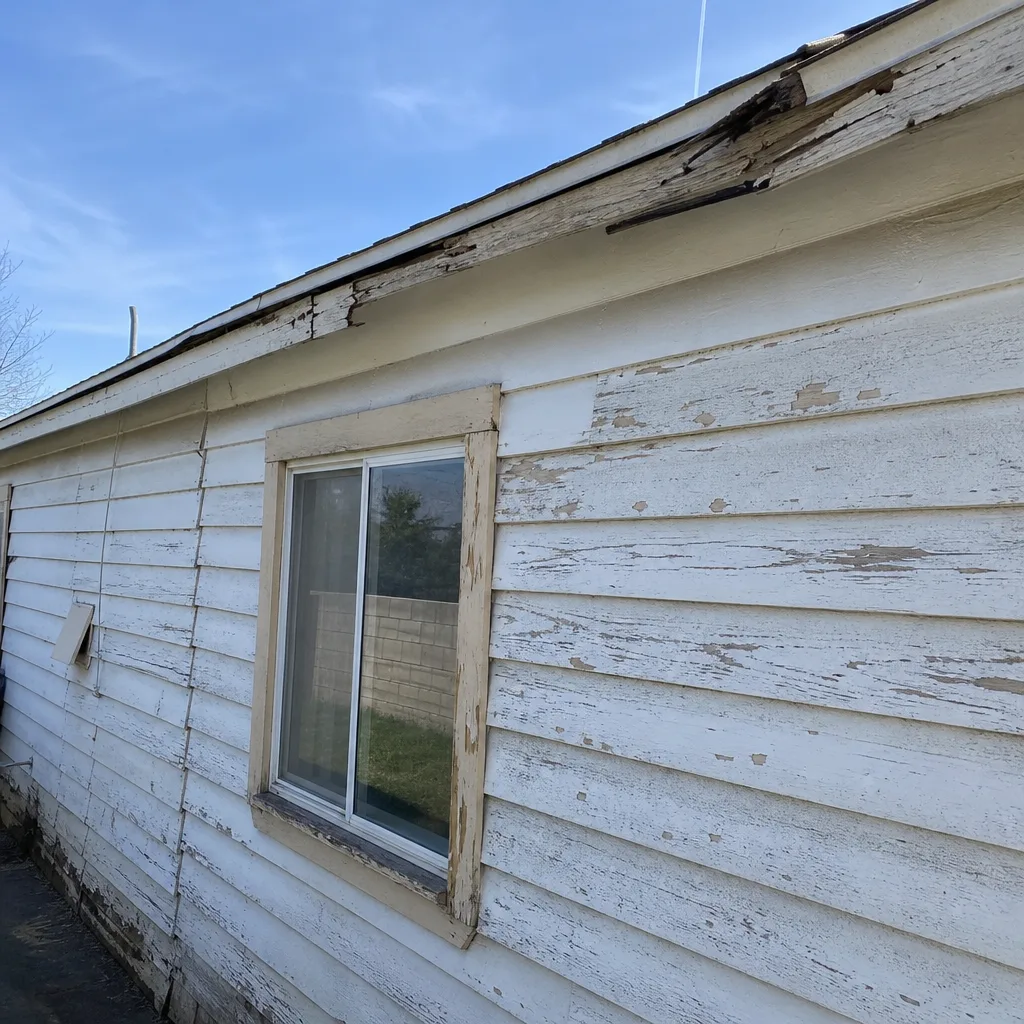 Before
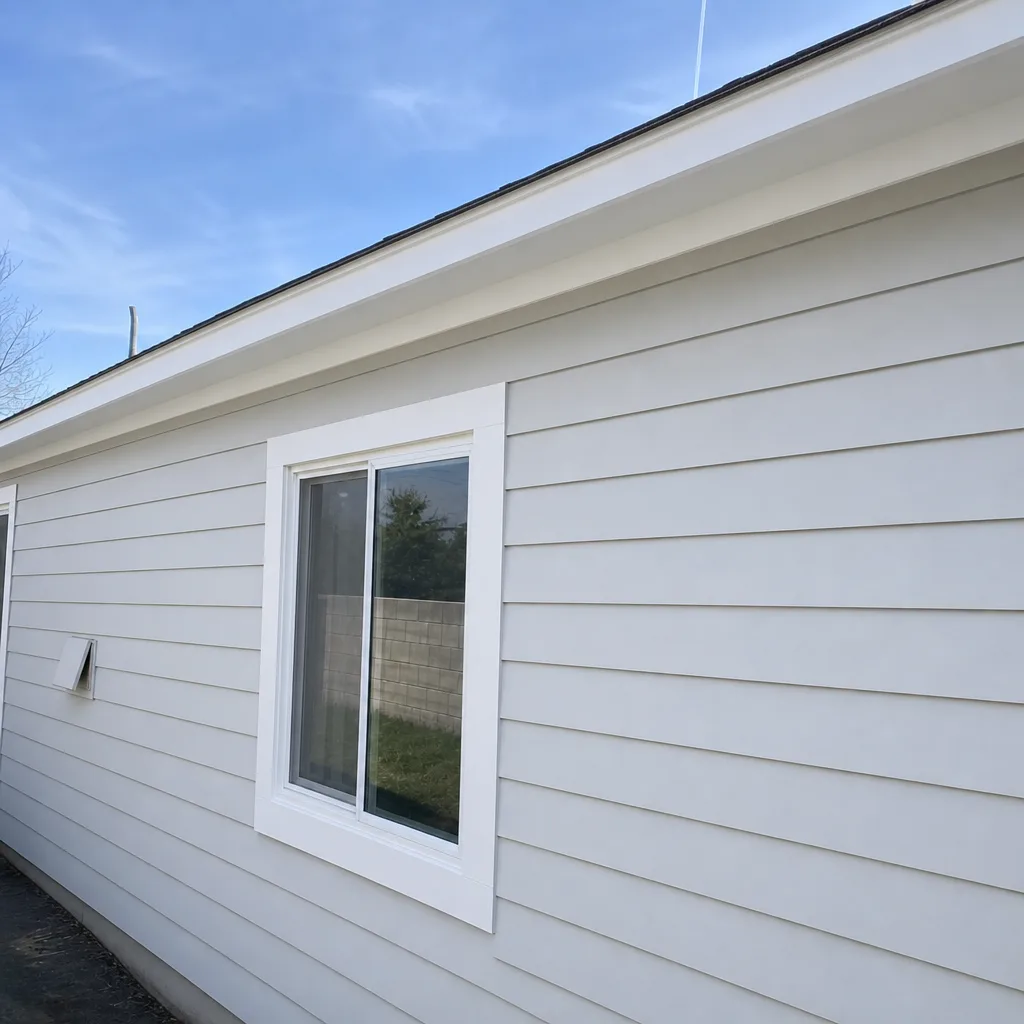 After
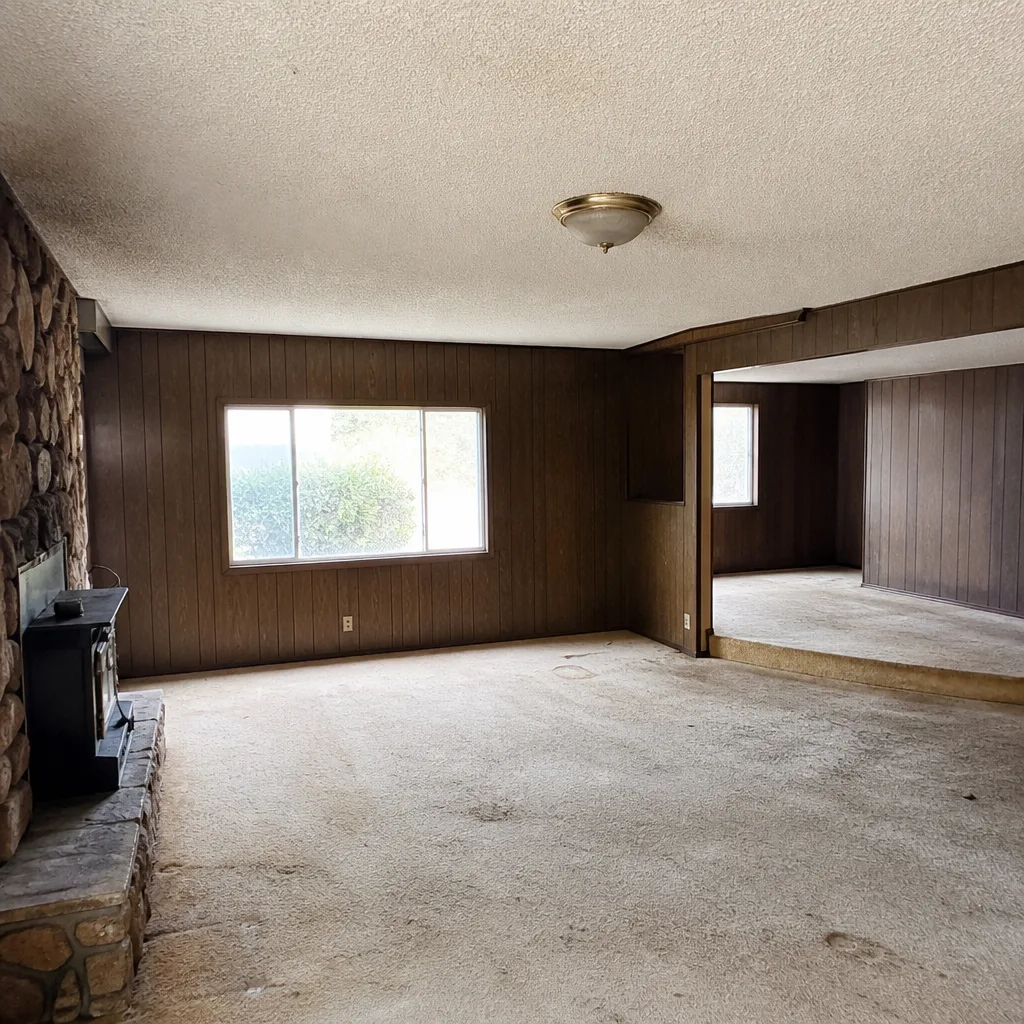 Before
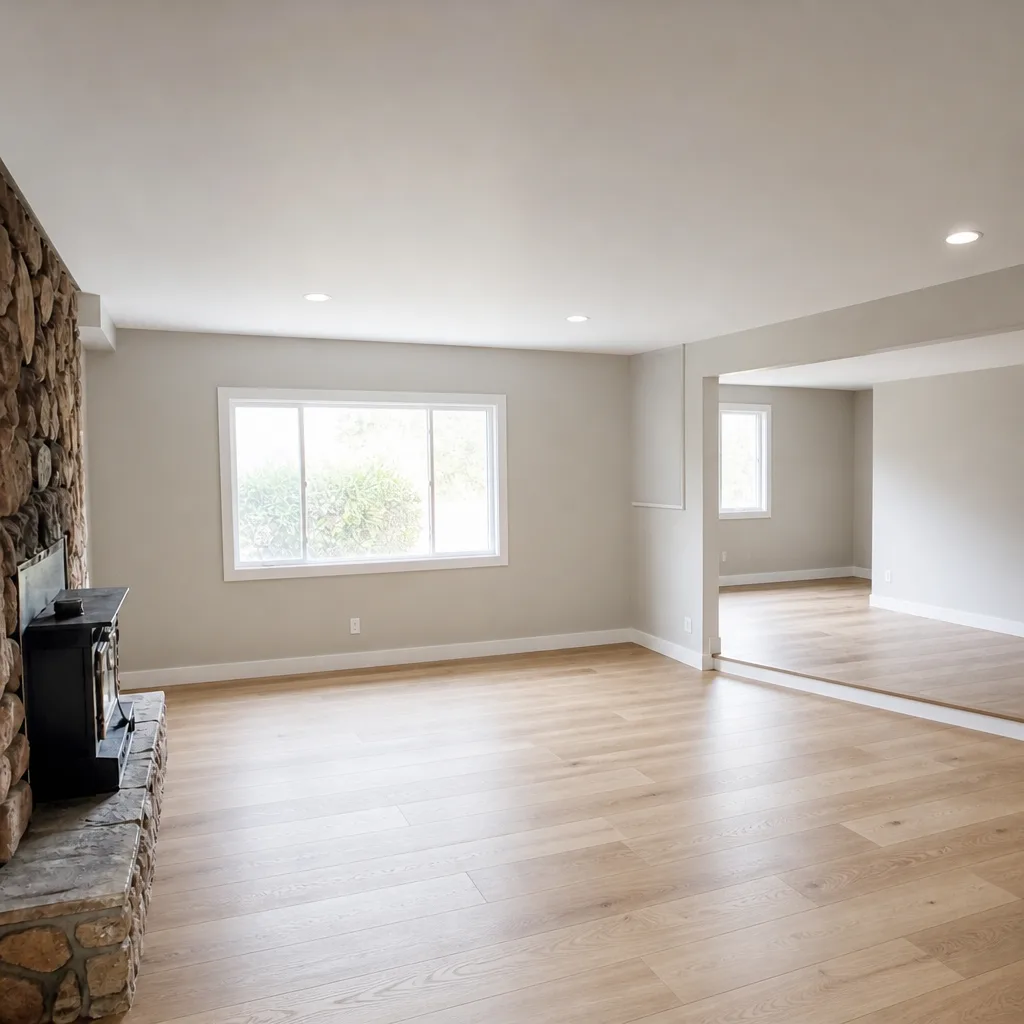 After
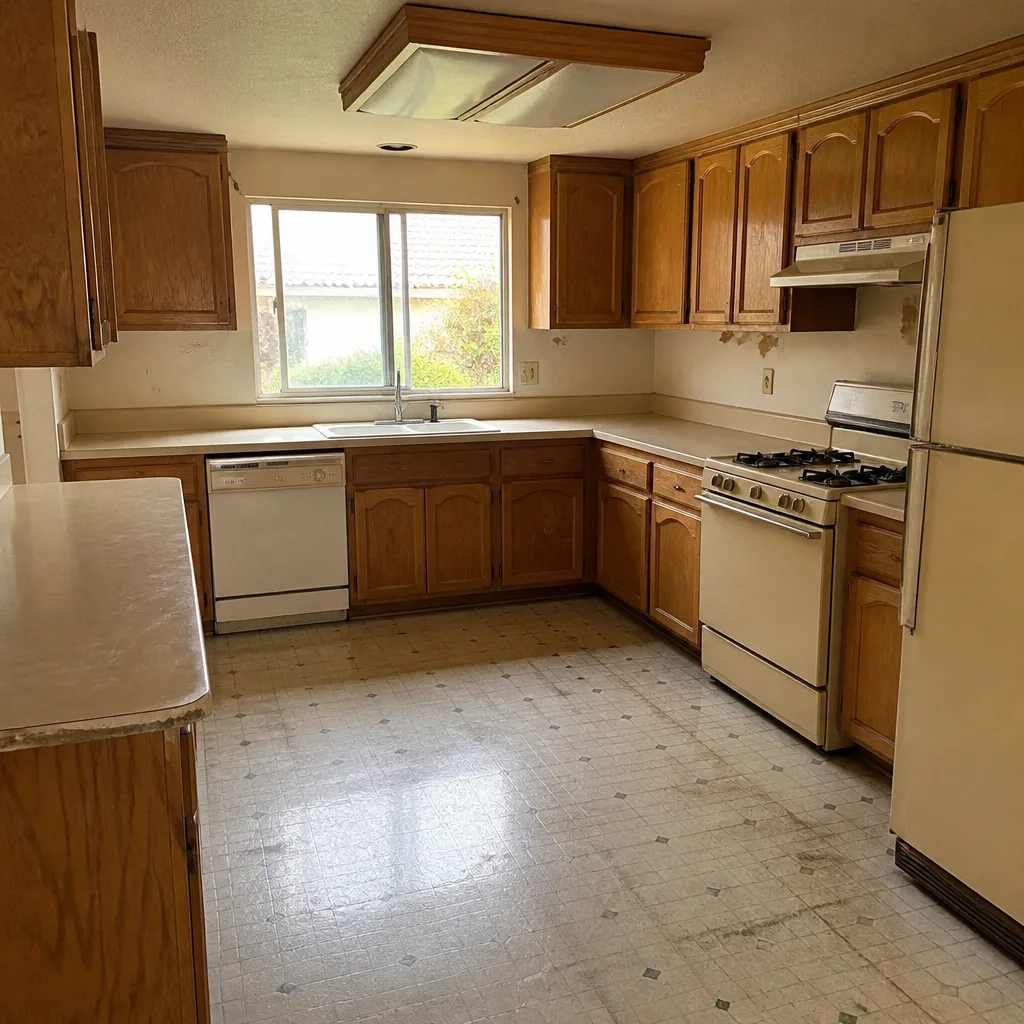 Before
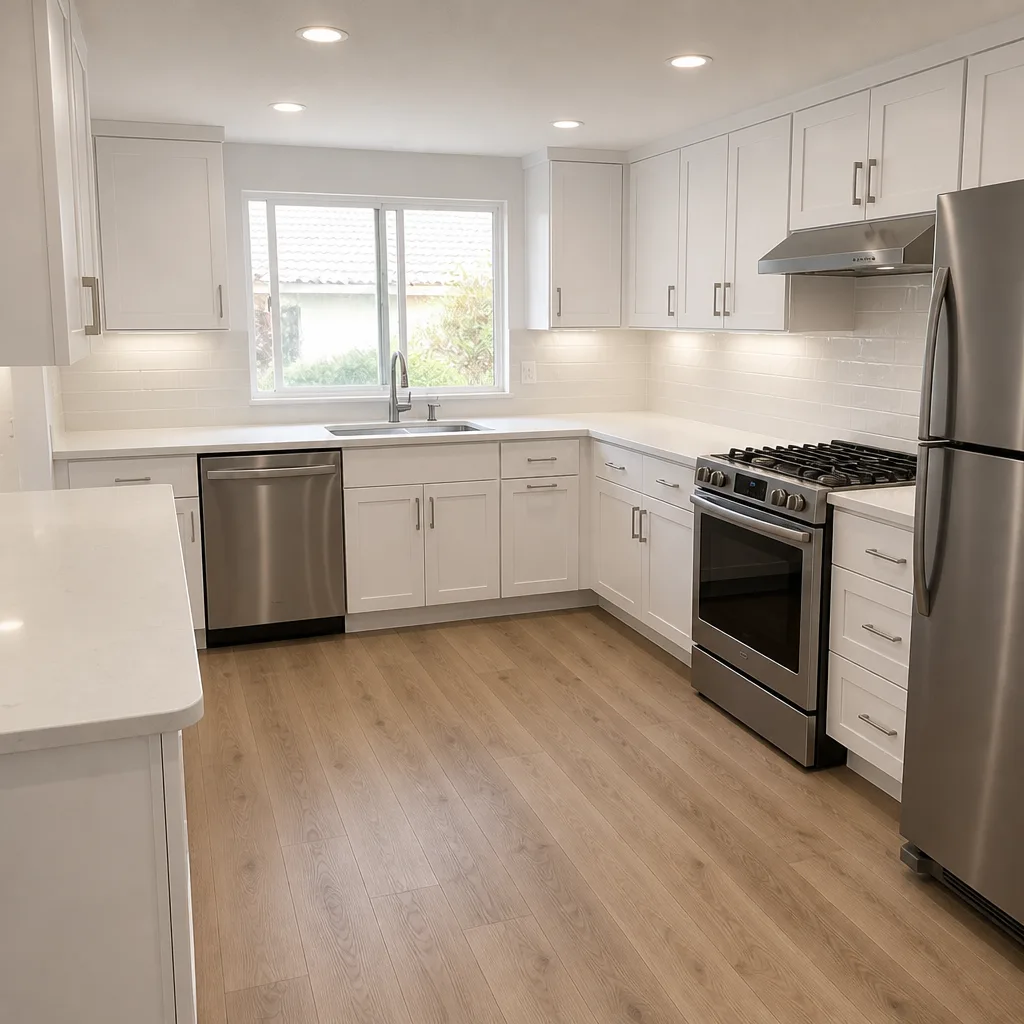 After